February 24, 2026
An overview of the All-on-4® dental implant solution for replacing a full upper or lower arch with a stable, natural-looking set of teeth using just four implants.
February 24, 2026
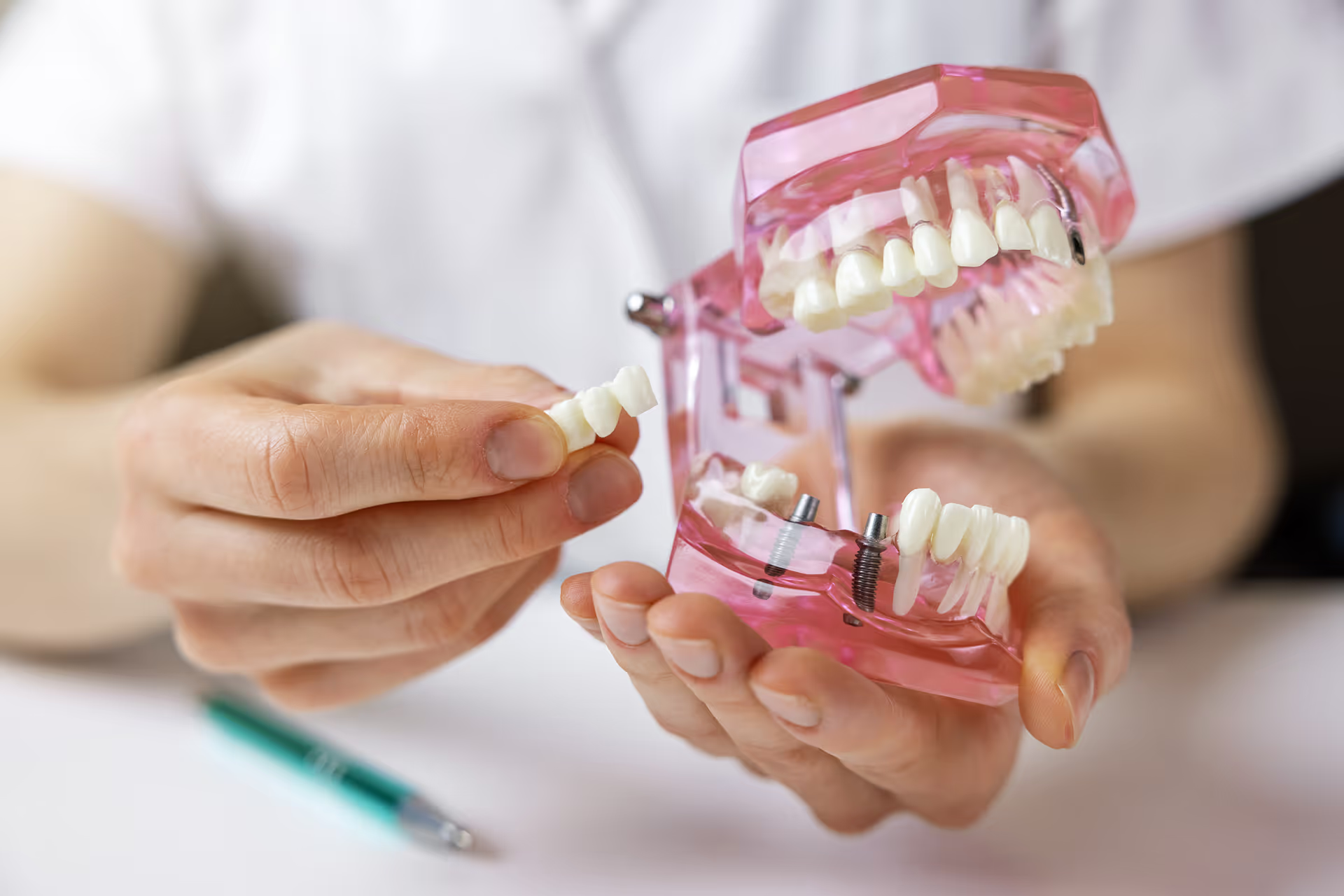
Dental implants can be used to support bridges when multiple teeth are missing in a row. Unlike traditional bridges that rely on neighboring natural teeth, implant-supported bridges anchor directly into the jawbone.Implants act as artificial roots, providing strong suDental implants can replace missing teeth without relying on neighboring natural teeth for support. When used with bridges, implants provide stronger stability, preserve jawbone structure, and deliver long term functional results.
A traditional dental bridge uses adjacent healthy teeth as anchors. These teeth must be reshaped to hold crowns that support the artificial tooth in between. While effective, this method places additional stress on natural teeth.
An implant supported bridge works differently. Instead of depending on nearby teeth, dental implants are surgically placed into the jawbone to act as artificial tooth roots. Once healed, a custom bridge is attached to the implants.
This approach restores missing teeth while preserving the integrity of surrounding natural teeth.
Implant supported bridges are often recommended when a patient is missing two or more teeth in a row. Rather than placing one implant for every missing tooth, two or more implants can support a multi unit bridge.
This method is ideal for patients who:
Because implants integrate directly with the bone, they provide a stable foundation that distributes chewing pressure more evenly.
The process begins with a comprehensive evaluation that includes digital imaging to assess bone structure. If sufficient bone is present, implant placement is scheduled.
During the surgical phase, implants are inserted into the jawbone. Over the next three to six months, the implants undergo osseointegration, meaning they fuse with the surrounding bone tissue.
Once healing is complete, a custom bridge is fabricated and secured to the implants. The final restoration is designed to match the color, shape, and alignment of natural teeth.
Unlike removable options, implant supported bridges are fixed in place and do not shift.
One of the primary advantages of using implants with bridges is bone preservation. When teeth are missing, the jawbone begins to shrink due to lack of stimulation. Implants help maintain bone structure by mimicking natural roots.
Additional benefits include:
Because the implants absorb biting forces, surrounding teeth are not overloaded. This helps protect overall oral health.
Traditional bridges remain a viable solution in certain cases. However, they rely heavily on neighboring teeth for support. Over time, this added pressure may increase the risk of decay or structural compromise in the anchor teeth.
Implant supported bridges function independently. They offer a solution that more closely resembles natural tooth structure because the support extends into the jawbone.
For patients seeking long term stability and preservation of healthy teeth, implant supported bridges are often preferred.
After implant placement, mild swelling or discomfort is common for a few days. Most patients return to normal activities within a short period.
During the healing phase, temporary restorations may be worn. Following post operative instructions is essential to protect the implants as they integrate with the bone.
Once the permanent bridge is attached, patients often report significant improvements in comfort and chewing ability.
Caring for an implant supported bridge is similar to caring for natural teeth. Daily brushing and flossing are essential. Special flossing tools or water flossers may be recommended to clean under the bridge.
Routine dental checkups allow early detection of any issues and help ensure long term success.
With proper maintenance, implant supported bridges can last many years.
Choosing between a traditional bridge and an implant supported bridge depends on your oral health, bone density, and long term goals.
A professional evaluation determines whether implants are appropriate and whether additional procedures such as bone grafting may be necessary.
For many patients, implant supported bridges offer a stable, functional, and natural looking solution for replacing multiple missing teeth.
Related blogs
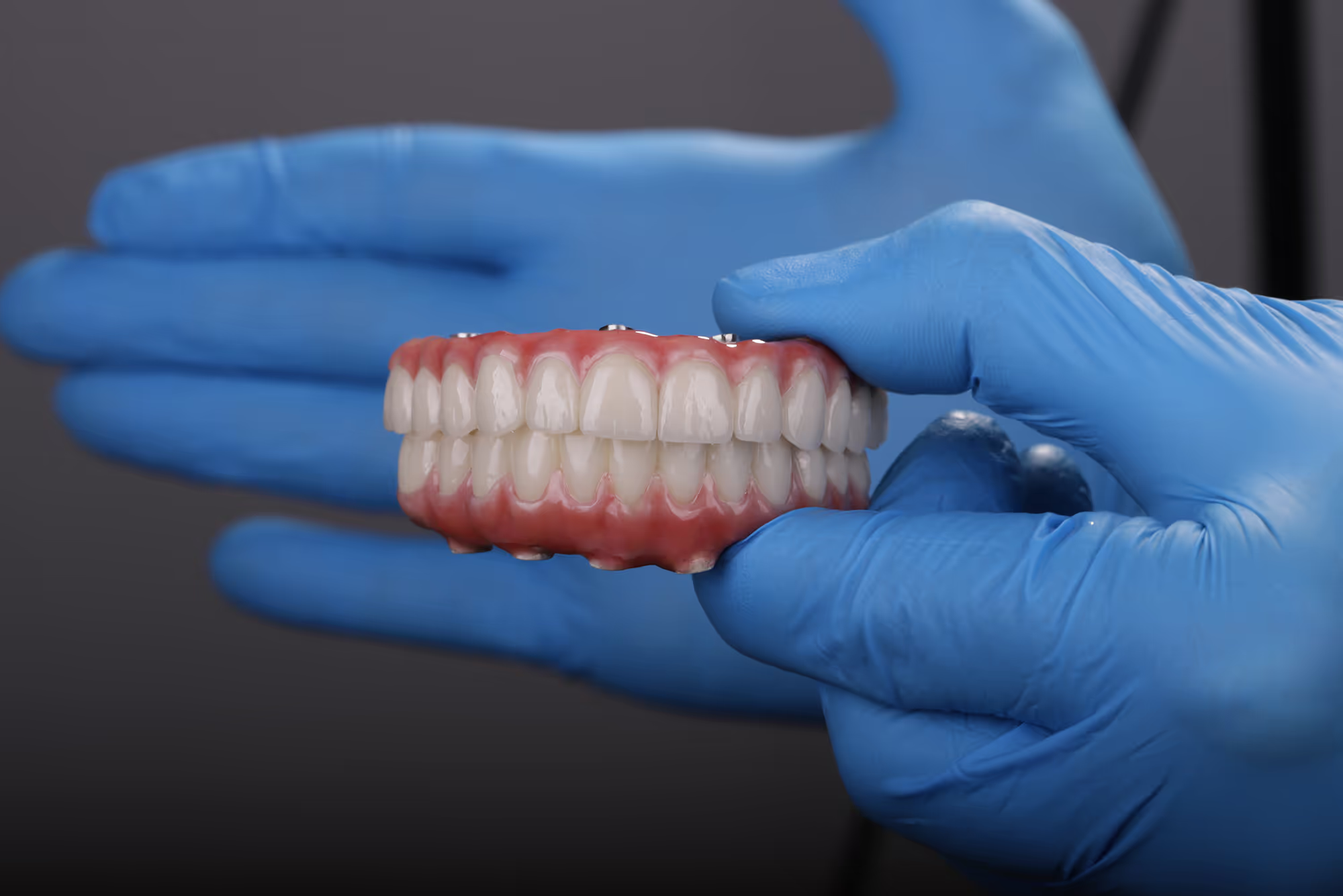
An overview of the All-on-4® dental implant solution for replacing a full upper or lower arch with a stable, natural-looking set of teeth using just four implants.
A brief look at three common laser dentistry treatments and how laser technology makes dental procedures more precise, comfortable, and minimally invasive.

A helpful guide outlining what to expect during recovery after full mouth reconstruction, including healing tips and post-treatment care for optimal results.