December 16, 2025
An overview of the All-on-4® dental implant solution for replacing a full upper or lower arch with a stable, natural-looking set of teeth using just four implants.
December 16, 2025
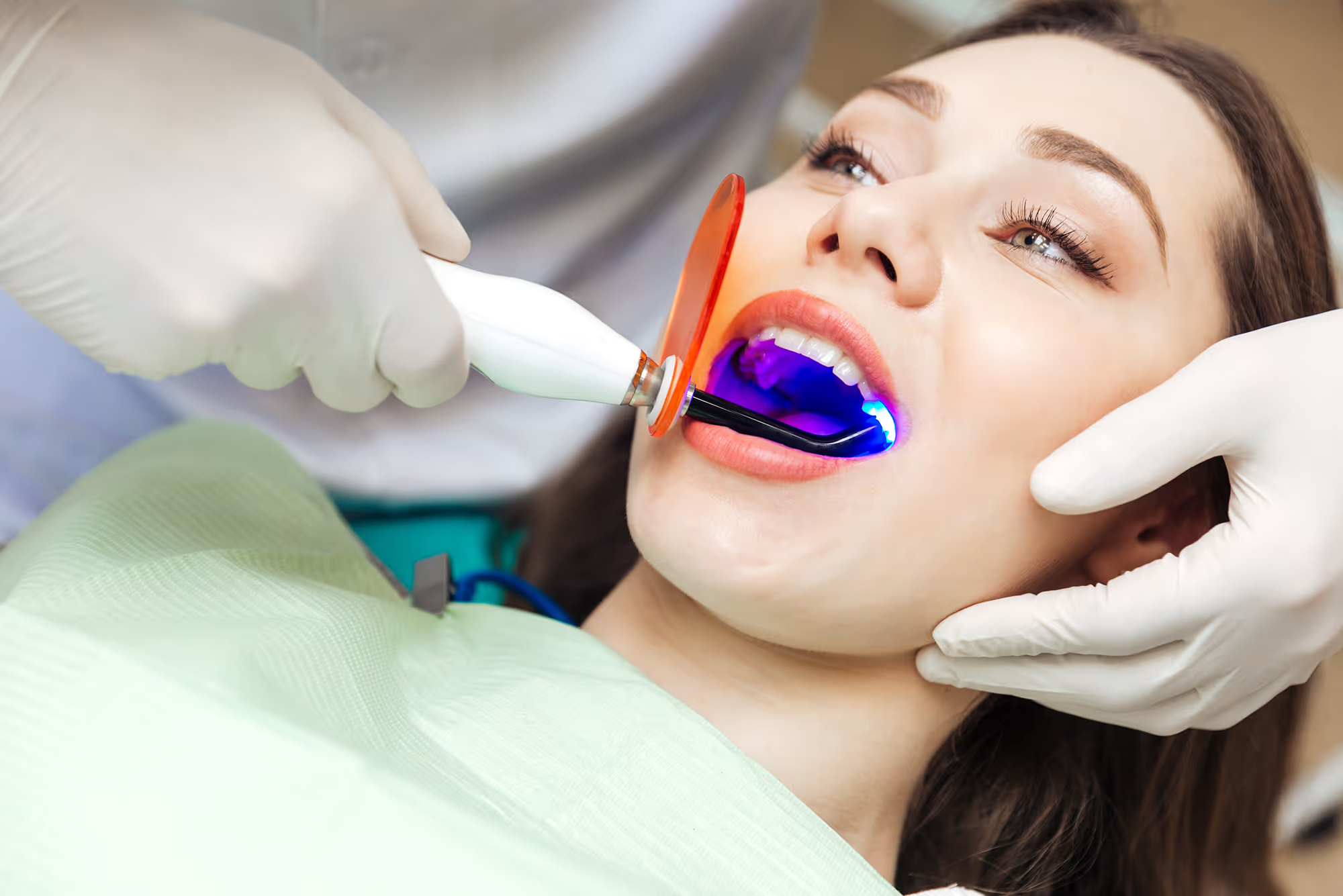
Dental lasers allow dentists to treat gum disease, reshape soft tissue, and assist in cavity treatment with remarkable accuracy. These procedures are often less invasive than traditional methods and can significantly improve comfort during and after treatment.
Dental lasers produce concentrated beams of light that interact with soft tissue or hard tissue depending on the type of laser being used. The energy can remove tissue, reshape gum contours, eliminate bacteria, or prepare teeth for restorative treatment.
Unlike drills or scalpels, lasers can seal blood vessels and nerve endings as they work. This often results in reduced bleeding, minimal swelling, and improved healing response.
There are two primary categories of dental lasers. Soft tissue lasers are used for gum related procedures, while hard tissue lasers may assist in treating tooth structure.
Now, let’s look at three common laser dentistry procedures.
Periodontal disease occurs when bacteria accumulate below the gumline, leading to inflammation, infection, and potential bone loss. Traditional treatment methods may involve scaling, root planing, or surgical intervention.
Laser assisted periodontal therapy offers a more targeted approach. The laser removes infected tissue and reduces bacterial levels without extensive cutting.
During this treatment, the laser can:
Many patients experience less bleeding and discomfort compared to conventional gum surgery. Because the laser is highly precise, surrounding tissue is minimally affected.
Healing time varies, but many patients report a smoother recovery experience.
Some individuals feel self conscious about excess gum tissue or an uneven gumline. Laser gum contouring reshapes the gumline to create a more balanced and attractive smile.
This cosmetic procedure is especially helpful for patients with a “gummy smile” or asymmetrical gum levels. The laser gently removes small amounts of tissue to sculpt the desired shape.
Compared to traditional surgical techniques, laser contouring often results in:
Because the laser cauterizes tissue as it reshapes it, the procedure is typically efficient and clean. Most patients return to normal daily activities shortly after treatment.
Laser technology can also assist in detecting and removing early tooth decay. Certain lasers help identify areas of demineralization that may not be visible during a standard exam.
In some cases, hard tissue lasers can remove small cavities without the vibration and noise associated with traditional drills. This can be especially beneficial for patients who experience dental anxiety.
Laser cavity treatment may help:
However, not every cavity can be treated solely with a laser. Larger restorations may still require conventional instruments.
Laser dentistry is not intended to replace every traditional method, but it provides meaningful advantages in appropriate cases.
Patients often notice:
Because lasers seal small blood vessels during treatment, post operative bleeding is often minimized. The precision of laser energy also helps protect surrounding tissue.
Despite its benefits, laser dentistry is not suitable for every procedure. Complex restorations, certain deep cavities, and some structural treatments may still require traditional tools.
Additionally, the success of laser treatment depends heavily on the training and experience of the provider. Proper case selection ensures optimal results.
Laser procedures are performed in a dental office setting similar to other treatments. Protective eyewear is worn for safety. Depending on the procedure, local anesthesia may or may not be required.
Most patients describe the experience as more comfortable compared to traditional drilling or surgical techniques. Mild sensitivity may occur afterward but typically resolves quickly.
Laser dentistry continues to reshape modern dental care by improving precision, comfort, and healing. Whether used for gum disease treatment, cosmetic contouring, or cavity management, laser technology offers an advanced approach that enhances patient experience.
If you are interested in learning whether laser dentistry may be part of your treatment plan, a consultation can help determine the best approach for your needs.
Related blogs
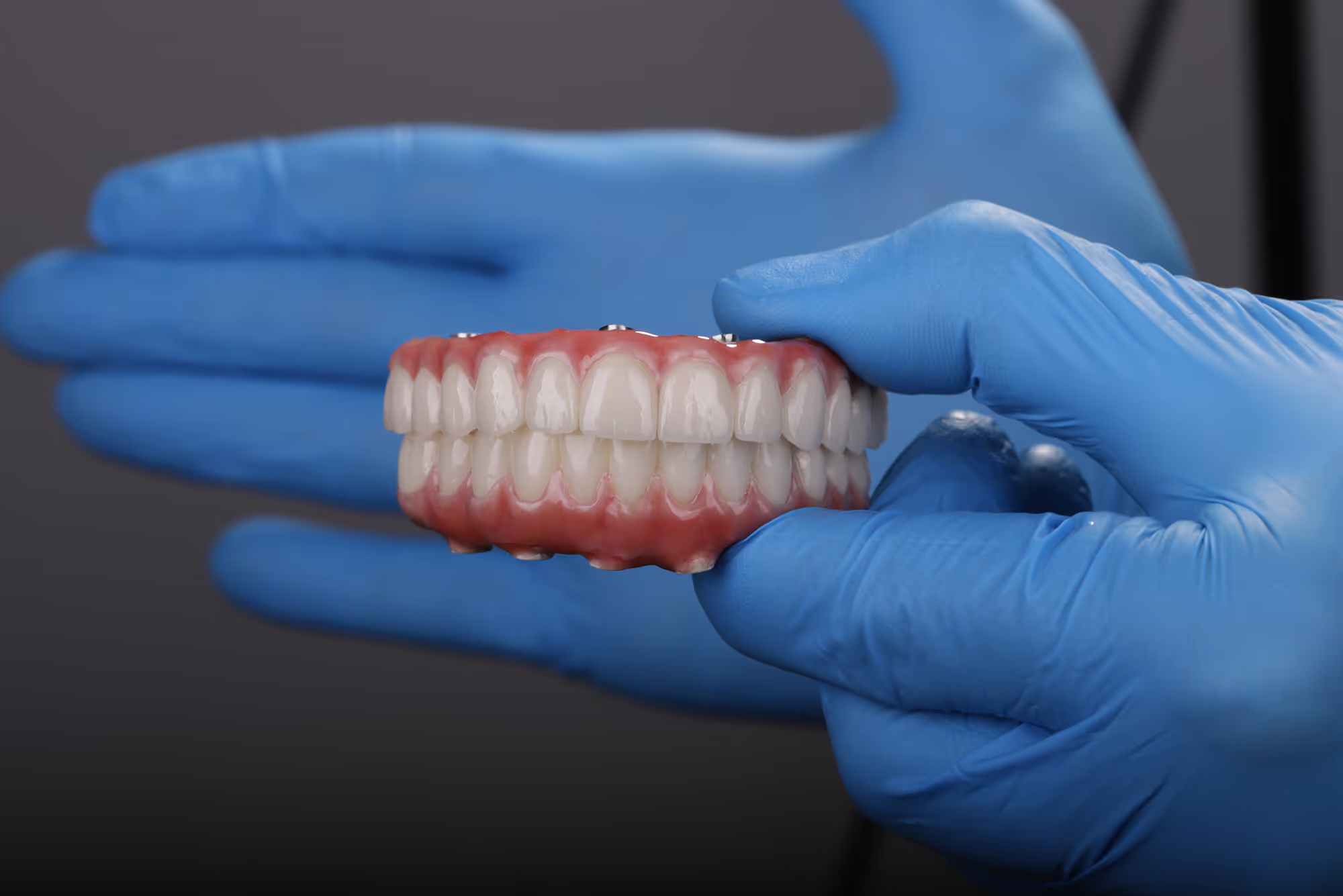
An overview of the All-on-4® dental implant solution for replacing a full upper or lower arch with a stable, natural-looking set of teeth using just four implants.

A helpful guide outlining what to expect during recovery after full mouth reconstruction, including healing tips and post-treatment care for optimal results.
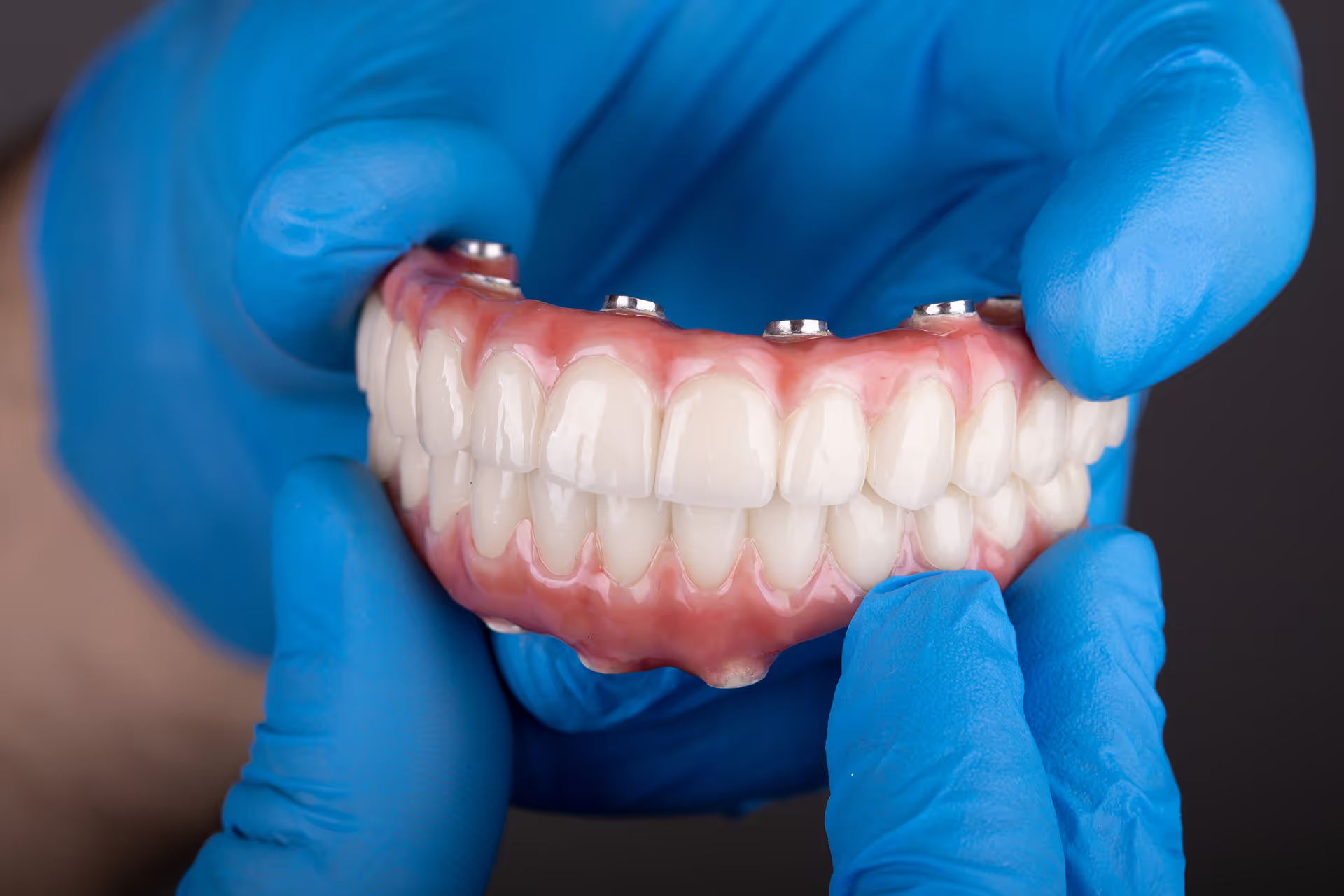
A comparison of implant supported and traditional dentures, highlighting differences in stability, comfort, and long term jawbone support.