December 16, 2025
An overview of the All-on-4® dental implant solution for replacing a full upper or lower arch with a stable, natural-looking set of teeth using just four implants.
December 16, 2025
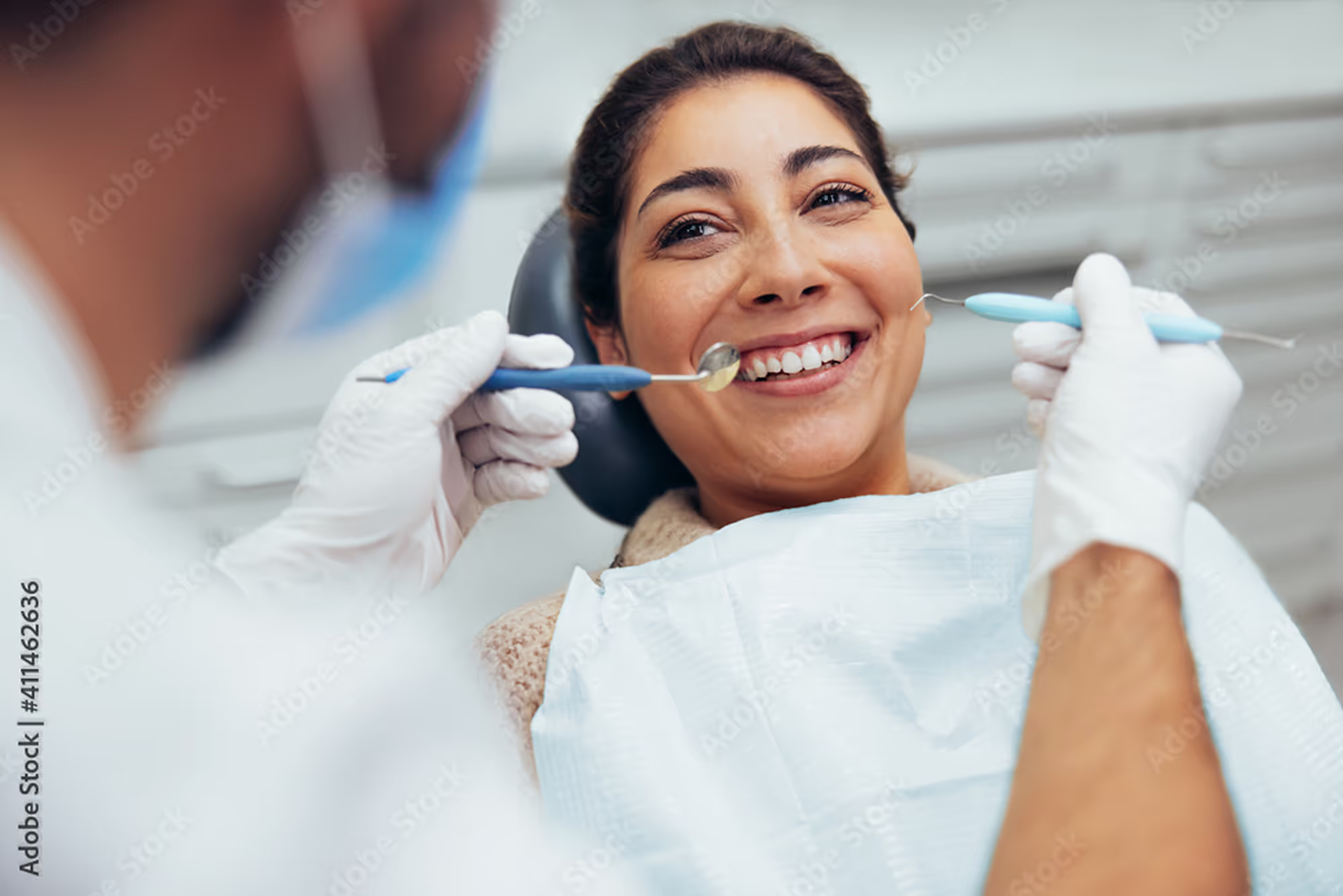
Full mouth reconstruction is a major step toward restoring your oral health, bite function, and confidence. Because this treatment often involves multiple procedures such as crowns, bridges, implants, or veneers, proper recovery care is essential to protect your results and ensure long term success.
Understanding what to expect after treatment can help you heal more comfortably and avoid unnecessary complications. While recovery varies depending on the procedures involved, most patients experience predictable healing stages and steady improvement over time.
If you would like to learn more about comprehensive restorative care, visit Dr. Amy’s Dental Office.
The first few days after full mouth reconstruction are typically focused on managing sensitivity and allowing tissues to begin healing.
It is normal to experience:
Your dentist may recommend over the counter or prescribed medication to manage discomfort. Applying a cold compress during the first 24 hours can also help reduce swelling.
If dental implants were placed, slight bruising or jaw tenderness may occur. These symptoms generally improve within a few days.
Rest is important during this phase. Avoid strenuous physical activity for at least 48 hours to prevent unnecessary pressure on the surgical areas.
Your bite and restorations need time to stabilize. Following dietary guidelines protects your new restorations and prevents irritation.
During early recovery, choose:
Avoid hard, sticky, or crunchy foods for at least one to two weeks, especially if implants were placed. Foods like nuts, chips, hard bread, and chewy candies can disrupt healing or damage temporary restorations.
Gradually reintroduce firmer foods as comfort improves and as directed by your dentist.
Keeping your mouth clean is essential, but you must be gentle during healing.
Brush carefully using a soft bristle toothbrush. Avoid aggressive scrubbing around surgical areas. If implants were placed, your dentist may recommend a specific cleaning technique or antimicrobial rinse.
Flossing should continue, but care must be taken around temporary restorations. Water flossers can be helpful once approved by your dentist.
Maintaining excellent hygiene during recovery reduces the risk of infection and supports healthy tissue healing.
It may take time for your mouth to adjust to its new alignment and restorations. Some patients notice their bite feels slightly different at first. This is normal as your muscles adapt to improved positioning.
If you experience:
Schedule a follow up visit. Minor bite adjustments are common and help ensure long term comfort.
If your reconstruction included dental implants, healing follows a specific biological process.
After placement, the implant gradually integrates with the jawbone in a process called osseointegration. This phase typically takes three to six months. During this time, avoiding excessive pressure is critical.
Temporary restorations may be worn while healing occurs. Once integration is complete, final restorations are placed for long term stability and function.
It is common to experience increased sensitivity after full mouth reconstruction, particularly if crowns or veneers were placed.
Sensitivity to temperature usually improves within a few weeks. Using desensitizing toothpaste can help manage discomfort.
If sensitivity worsens instead of improving, contact your dentist for evaluation.
Full mouth reconstruction is an investment in your health. Protecting that investment requires ongoing maintenance.
Long term success depends on:
Grinding places excessive force on restorations and can shorten their lifespan. If grinding contributed to your original damage, a custom nightguard is especially important.
Routine checkups allow early detection of any concerns before they become major problems.
While mild discomfort is expected, certain symptoms require attention.
Contact your dentist if you experience:
Early intervention prevents complications and protects your results.
Many patients underestimate the emotional adjustment after full mouth reconstruction. You may feel excitement, relief, or even temporary awareness of changes in your bite or smile.
As swelling decreases and your mouth adapts, your new smile will begin to feel natural. Most patients report significant improvements in confidence and comfort once healing is complete.
Recovery after full mouth reconstruction requires patience, but the results are often life changing. By following post treatment instructions, maintaining good hygiene, and attending follow up visits, you can enjoy improved function, comfort, and appearance for many years.
If you are preparing for reconstruction or currently healing, a consultation at Dr. Amy’s Dental Office can provide personalized guidance for your situation.
Related blogs
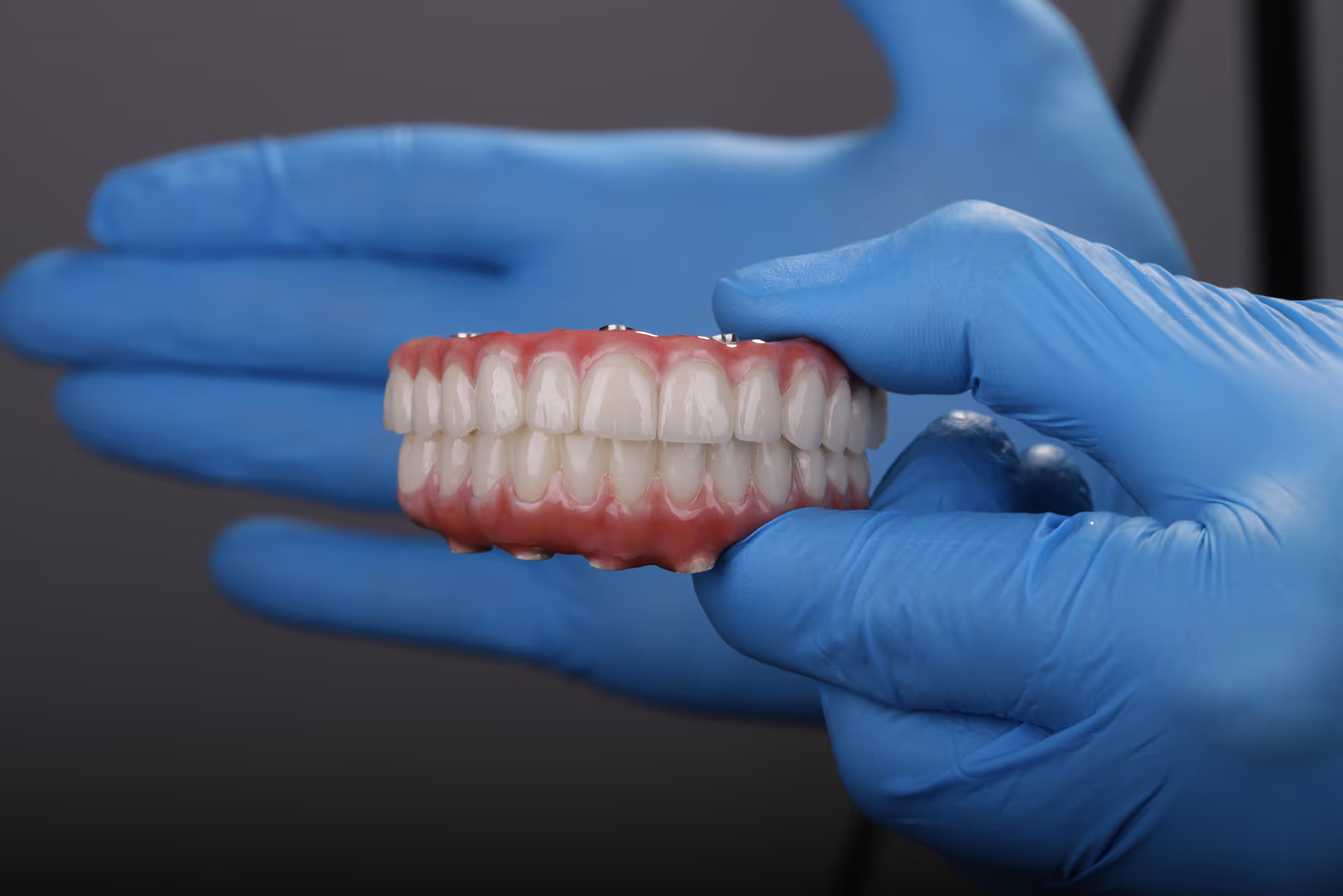
An overview of the All-on-4® dental implant solution for replacing a full upper or lower arch with a stable, natural-looking set of teeth using just four implants.
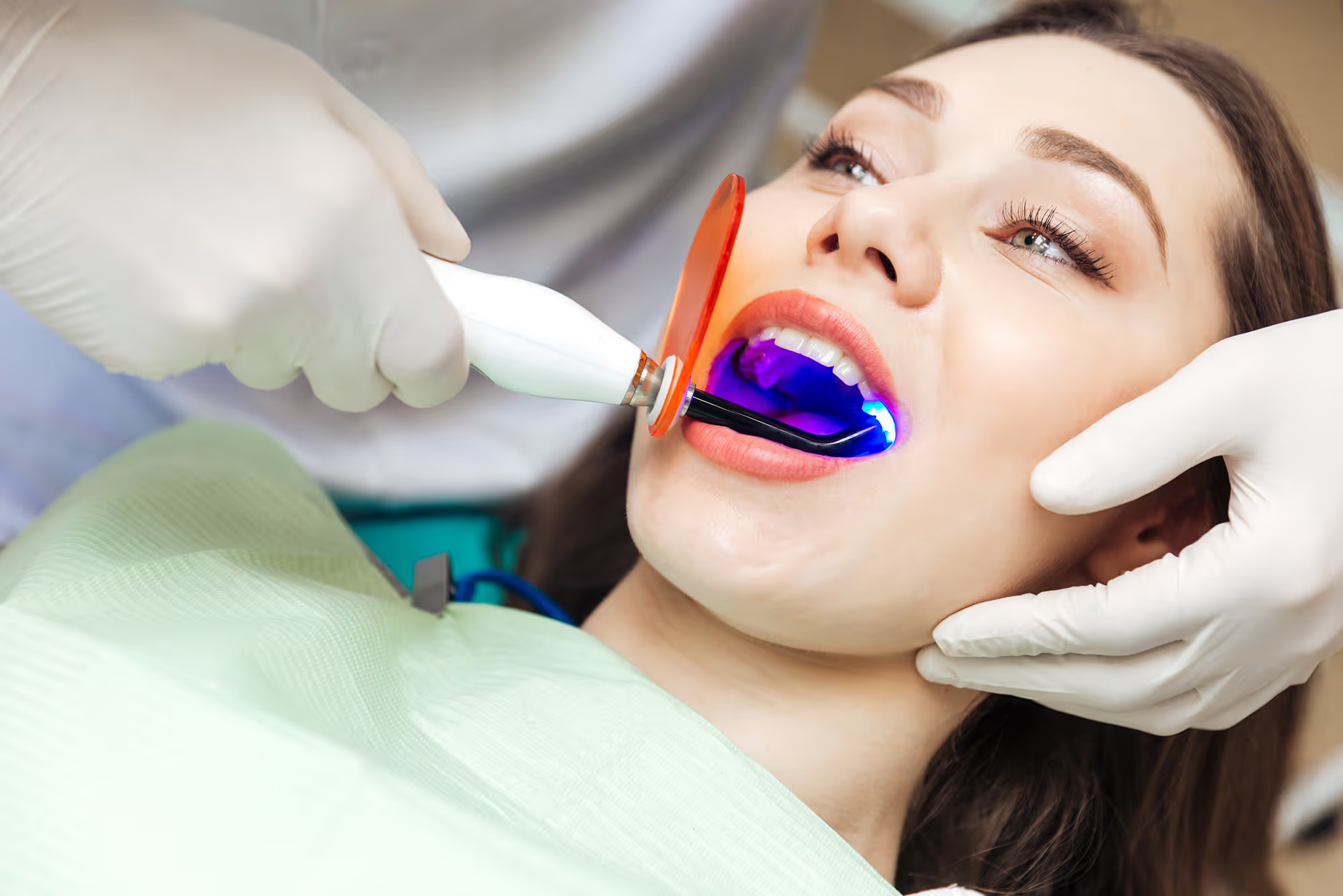
A brief look at three common laser dentistry treatments and how laser technology makes dental procedures more precise, comfortable, and minimally invasive.
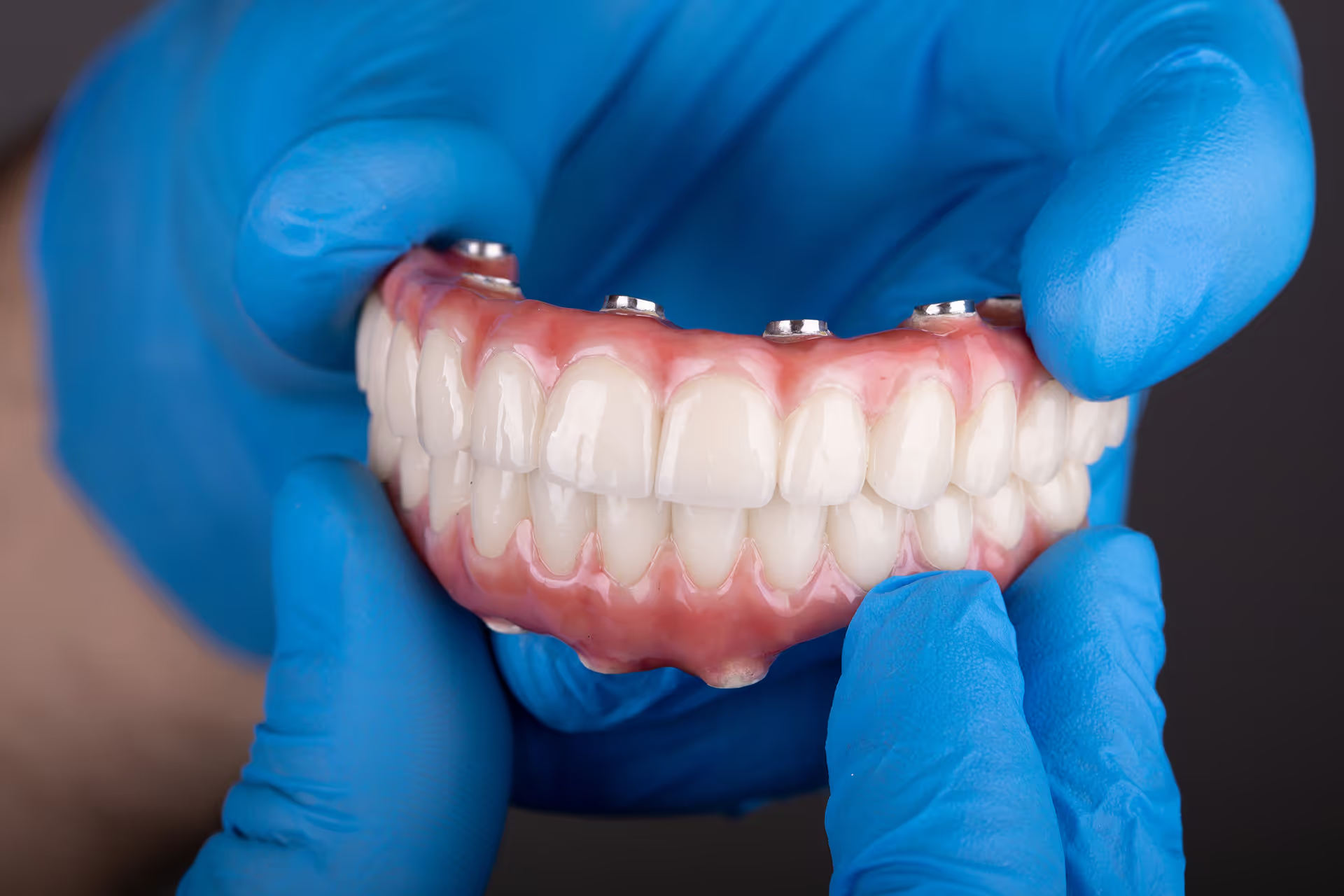
A comparison of implant supported and traditional dentures, highlighting differences in stability, comfort, and long term jawbone support.