February 24, 2026
An overview of the All-on-4® dental implant solution for replacing a full upper or lower arch with a stable, natural-looking set of teeth using just four implants.
February 24, 2026

Many patients use the terms aesthetic dentistry and cosmetic dentistry interchangeably. While they are closely related, there are subtle differences between the two. Both focus on improving the appearance of your smile, but the philosophy and treatment goals may vary slightly.
Understanding the distinction can help you choose the right approach for your dental goals.
Aesthetic dentistry and cosmetic dentistry both enhance smile appearance, but aesthetic dentistry often emphasizes natural harmony and function, while cosmetic dentistry focuses primarily on visual improvement.
Cosmetic dentistry refers to dental treatments that primarily improve the appearance of teeth and gums. The main goal is visual enhancement.
Common cosmetic procedures include teeth whitening, veneers, bonding, and minor reshaping. These treatments are often elective and focus on correcting discoloration, minor gaps, uneven edges, or shape concerns.
Cosmetic dentistry prioritizes creating a brighter, more attractive smile.
Aesthetic dentistry also focuses on appearance but places greater emphasis on balance, proportion, and how the teeth function within the overall facial structure.
Rather than simply making teeth whiter or straighter, aesthetic dentistry considers harmony between teeth, gums, lips, and facial features.
It integrates both beauty and functionality to achieve natural looking results that complement the patient’s facial profile.
The primary difference lies in perspective.
Cosmetic dentistry often focuses on improving specific visual concerns. Aesthetic dentistry looks at the broader picture, combining appearance with structural integrity and long term function.
In aesthetic dentistry, factors such as bite alignment and facial symmetry are carefully evaluated before treatment begins.
Both approaches may use similar procedures, but planning and goals may differ.
When designing treatment, aesthetic dentistry often evaluates:
Cosmetic dentistry may focus more directly on correcting visible imperfections such as staining or small chips.
In many modern practices, these two approaches overlap significantly.
Many procedures are shared between aesthetic and cosmetic dentistry.
Teeth whitening improves color and brightness. Veneers reshape and enhance tooth symmetry. Bonding repairs minor chips and imperfections.
The difference is often in how extensively the overall smile design is analyzed before treatment.
Aesthetic dentistry emphasizes long term stability. If bite alignment is ignored, cosmetic enhancements may fail over time.
For example, placing veneers without addressing grinding habits could lead to premature wear.
By considering both form and function, aesthetic dentistry aims to create results that are not only beautiful but durable.
In many cases, the visual results may appear similar. However, aesthetic dentistry often prioritizes subtle, natural looking outcomes that blend seamlessly with the patient’s features.
Cosmetic dentistry may focus more on dramatic changes, such as significantly brighter shades or noticeable transformations.
The choice depends on personal preference and clinical evaluation.
If your main concern is whitening or correcting minor flaws, cosmetic dentistry may meet your needs.
If you are seeking comprehensive smile design that evaluates structure, alignment, and facial harmony, aesthetic dentistry may be more appropriate.
A consultation allows your dentist to recommend the most suitable approach based on your goals and oral health.
Aesthetic dentistry and cosmetic dentistry share many techniques, but they differ slightly in philosophy and planning. Both aim to improve your smile, but aesthetic dentistry often integrates function and long term balance more deeply into the process.
Discussing your expectations with a qualified dental professional ensures that your treatment plan aligns with both your appearance goals and your oral health needs.
Related blogs
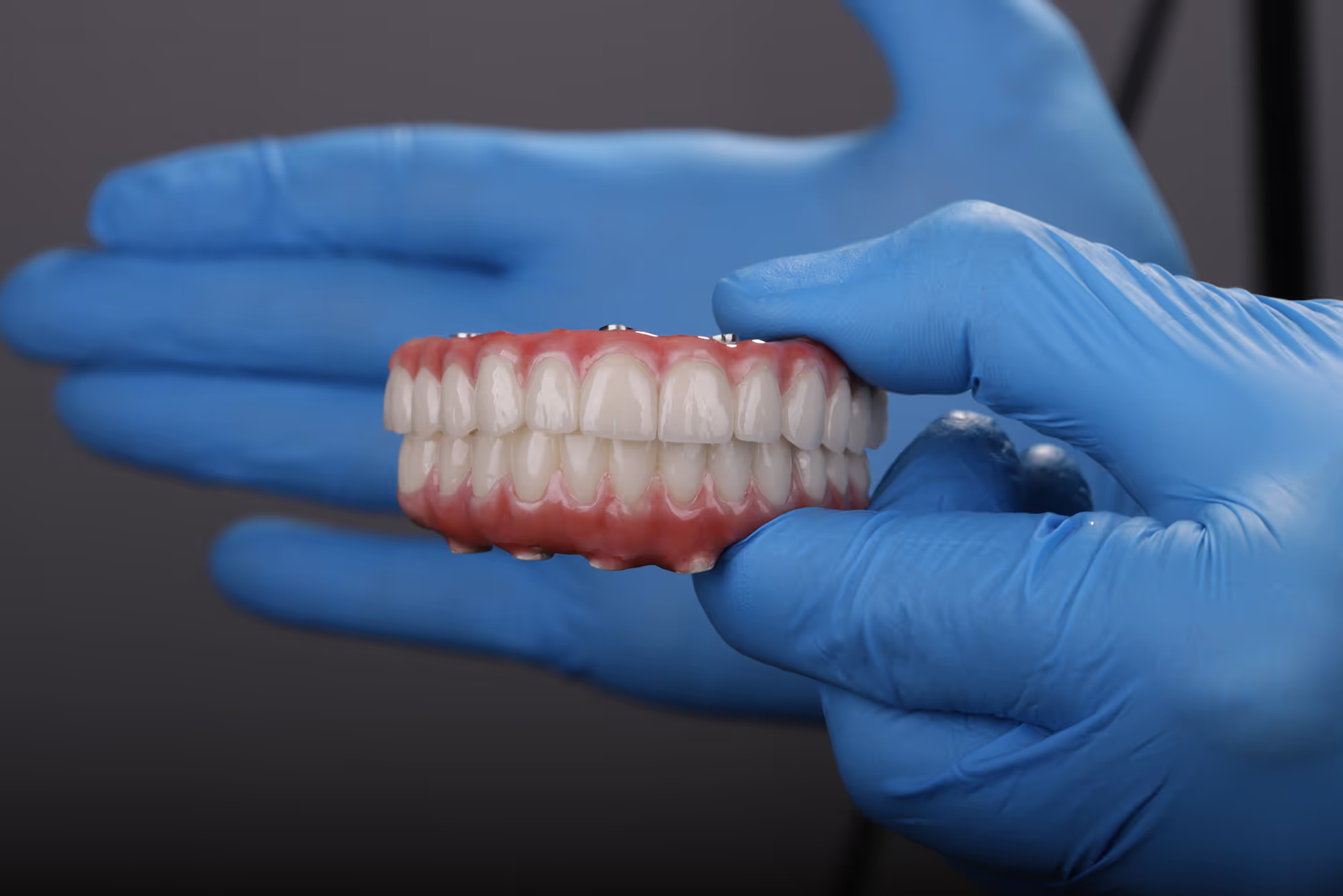
An overview of the All-on-4® dental implant solution for replacing a full upper or lower arch with a stable, natural-looking set of teeth using just four implants.
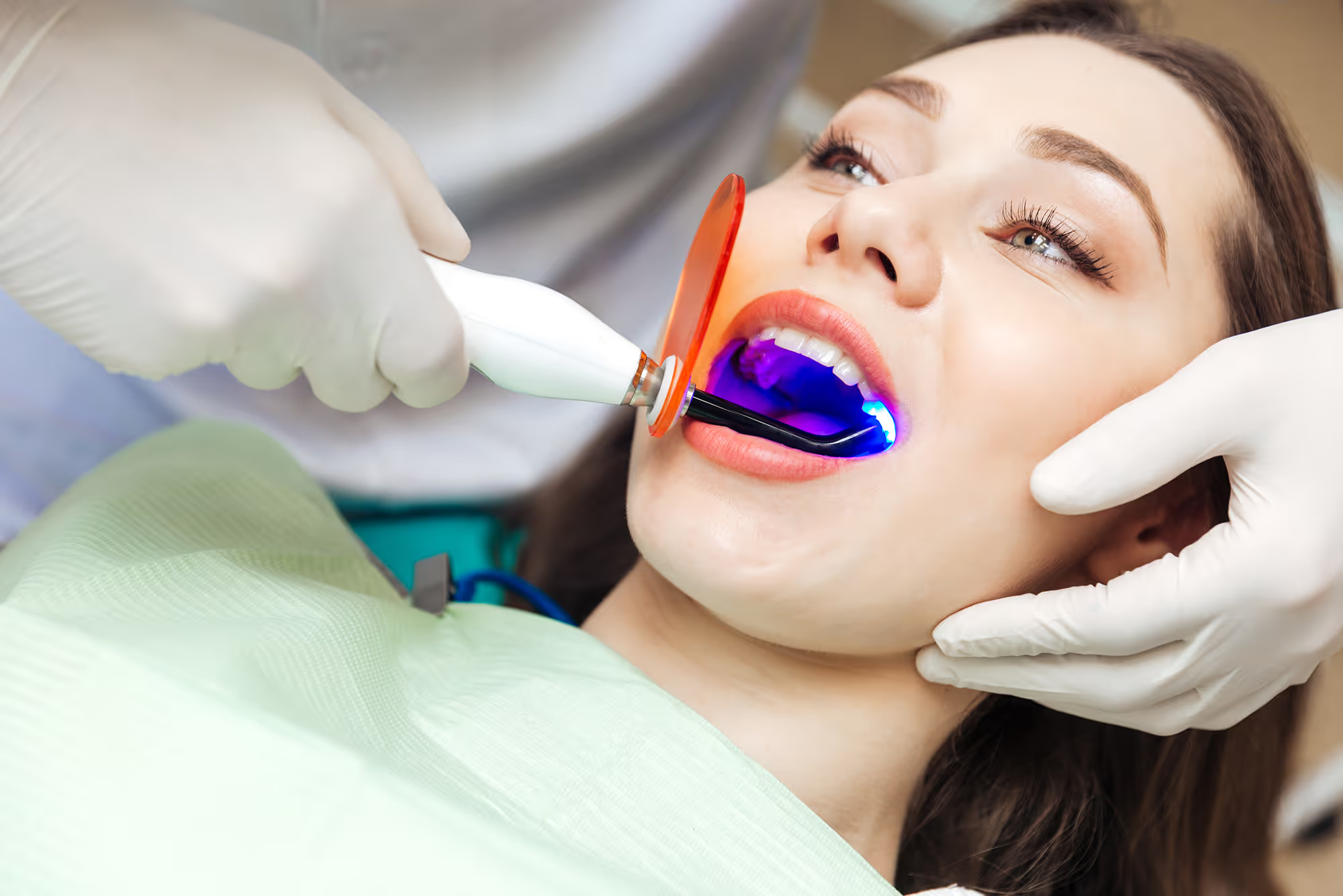
A brief look at three common laser dentistry treatments and how laser technology makes dental procedures more precise, comfortable, and minimally invasive.
A helpful guide outlining what to expect during recovery after full mouth reconstruction, including healing tips and post-treatment care for optimal results.