August 3, 2026
An overview of the All-on-4® dental implant solution for replacing a full upper or lower arch with a stable, natural-looking set of teeth using just four implants.
August 3, 2026
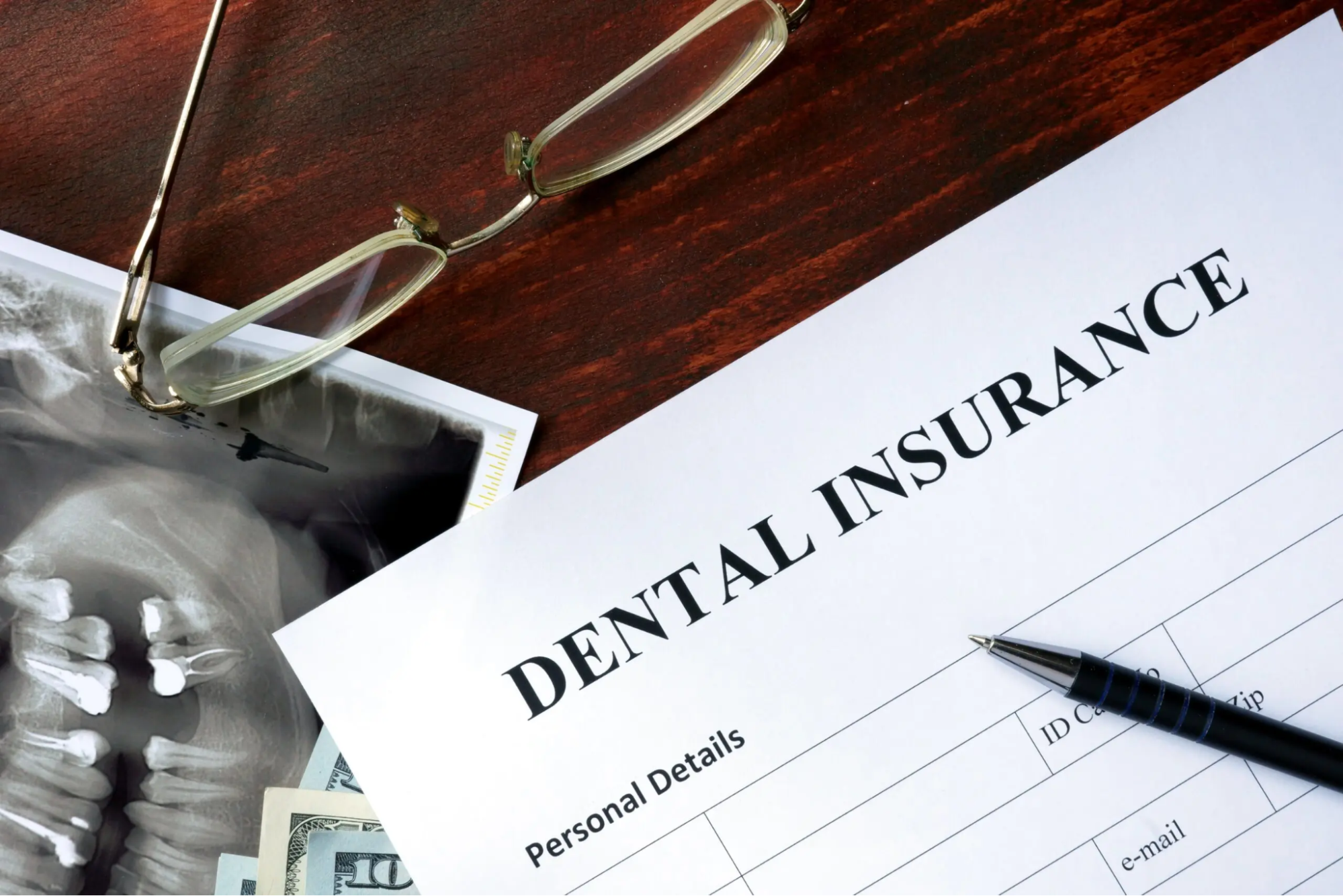
Dental implants are widely regarded as one of the most reliable and long-lasting solutions for replacing missing teeth, but many patients hesitate to move forward because they're unsure what their dental insurance will actually cover. The answer isn't always straightforward. Coverage varies significantly from one insurance plan to another, and understanding the details can help you avoid unexpected expenses while making the most of your benefits.
In this guide, we'll explain what dental implant insurance typically covers, which procedures may require out-of-pocket payment, and the factors that influence your coverage. You'll also learn practical tips for maximizing your insurance benefits, allowing you to make informed decisions and invest in your smile with greater confidence.
The short answer is yes, but not always. Whether dental insurance covers dental implants depends on the specific insurance provider, the type of plan you have, and the reason the implant is needed. Unlike preventive services such as cleanings or exams, dental implants are often classified as major restorative procedures, which means coverage tends to be more limited and varies significantly from one policy to another.
Many modern dental insurance plans now provide partial coverage for implant treatment, recognizing that replacing missing teeth is essential for restoring oral function, preserving jawbone health, and improving long-term dental health. However, it's uncommon for insurance to cover the entire cost of treatment. Most patients are still responsible for deductibles, co-insurance, or expenses that exceed their plan's annual maximum benefit.
It's also important to understand that dental implant treatment consists of several individual procedures rather than a single service. Depending on your policy, insurance may cover some components while excluding others. For example, a plan might help pay for the consultation, diagnostic X-rays, tooth extraction, or the implant-supported crown, but provide little or no coverage for the implant post itself or additional procedures such as bone grafting.

Another factor that affects coverage is medical necessity. If tooth replacement is considered necessary to restore chewing function, speech, or overall oral health, your insurance provider may offer greater benefits than it would for a procedure performed primarily for cosmetic reasons.
Because every insurance policy is different, the best way to understand your benefits is to have your dental office verify your coverage before treatment begins. A pre-treatment estimate can help clarify what your insurance is expected to pay, what your out-of-pocket costs may be, and whether financing options are available to make treatment more affordable.
Understanding your insurance benefits before starting treatment can eliminate surprises and help you plan your dental implant journey with confidence. In the next section, we'll break down which parts of the dental implant procedure are commonly covered and which expenses patients are most often expected to pay themselves.
Dental implant treatment involves multiple steps, and insurance coverage may apply differently to each one. While some plans help pay for diagnostic services and restorative procedures, others may provide limited or no benefits for the implant itself. The exact level of coverage depends on your insurance provider, annual maximum benefit, and individual policy terms.

The table below outlines the components of a typical dental implant procedure and whether they are commonly covered by dental insurance.
Keep in mind that this table reflects general insurance trends rather than guaranteed benefits. Even if a procedure is commonly covered, the amount your insurance pays will depend on factors such as deductibles, co-insurance, waiting periods, annual maximums, and whether your dental provider is in-network. Before beginning treatment, it's always wise to request a pre-treatment estimate so you know exactly what your insurance will cover and what your expected out-of-pocket costs will be.
Even if your dental insurance includes implant benefits, it rarely covers every aspect of treatment. Most plans are designed to reduce a portion of the cost rather than pay for the entire procedure, which means patients should expect some out-of-pocket expenses. Understanding what is commonly excluded can help you budget more effectively and avoid unexpected financial surprises.

The following expenses are among those most frequently not covered or only partially covered by dental insurance:
Although these exclusions are common, every dental insurance plan is different. The best way to understand your financial responsibility is to have your benefits reviewed before treatment begins.
No two dental insurance plans are exactly alike. Even if two patients receive the same dental implant treatment, the amount covered by insurance can vary considerably. Understanding the factors that influence your benefits can help you set realistic expectations, avoid unexpected costs, and make more informed decisions before beginning treatment.

The type of dental insurance you have is one of the biggest factors affecting implant coverage. PPO plans generally offer greater flexibility and may include partial benefits for dental implants, while HMO plans often have more limited coverage and require patients to visit dentists within a specific network.
Coverage also differs from one insurance provider to another. Some plans include benefits for the implant crown but not the implant post, while others may provide partial reimbursement for several stages of treatment. Carefully reviewing your policy or having your dental office verify your benefits is the best way to understand exactly what is covered before treatment begins.
Most dental insurance plans include financial limitations that directly impact how much they will pay toward implant treatment.
Understanding these limitations can help you plan treatment more strategically and maximize your available benefits.
Insurance companies also consider the type and complexity of the treatment being performed. Patients who require additional procedures, such as bone grafting, sinus augmentation, or multiple implants, may receive different levels of coverage than someone replacing a single missing tooth.
Another important consideration is medical necessity. When implant treatment is recommended to restore oral function, improve chewing ability, or preserve overall oral health, insurance providers may be more likely to offer benefits than they would for procedures performed primarily for cosmetic purposes.
The dental practice you choose can also influence your overall costs. Visiting an in-network provider often reduces out-of-pocket expenses because negotiated rates have already been established with your insurance company. Out-of-network providers may still accept your insurance, but reimbursement levels can differ depending on your policy.
An experienced dental office can also simplify the insurance process by verifying your benefits, submitting claims on your behalf, preparing pre-treatment estimates, and helping you understand your expected financial responsibility before treatment begins.
While insurance coverage may seem complicated, understanding these key factors makes it much easier to navigate your benefits. At Dr. Amy's Dental Office, our team works closely with every patient to verify insurance coverage, explain available benefits, and create a personalized treatment plan that fits both your oral health needs and your budget, allowing you to move forward with confidence.
In some situations, yes. Although dental implants are typically covered under dental insurance, medical insurance may provide benefits when tooth loss is directly related to a medical condition or traumatic injury rather than routine dental disease. However, these cases are the exception rather than the rule.
Medical insurance is more likely to contribute toward implant-related treatment in situations such as:
Even when medical insurance applies, it often covers only the medically necessary portion of treatment, such as hospital care, reconstructive surgery, or bone reconstruction. The dental implant restoration itself, including the implant crown, may still be billed through your dental insurance or require out-of-pocket payment.
For most patients who lose teeth due to decay, gum disease, or normal wear, dental insurance remains the primary source of coverage. Benefits will vary depending on your individual policy, annual maximum, deductible, and any applicable waiting periods.
Because medical and dental insurance can sometimes work together, it's worth having both policies reviewed before treatment begins. At Dr. Amy's Dental Office, our team helps patients verify available insurance benefits, determine whether medical or dental coverage may apply, and explain all expected costs before treatment starts, ensuring there are no surprises along the way.
Yes. Dr. Amy's Dental Office accepts most major PPO dental insurance plans and is committed to helping patients maximize their available benefits before starting treatment. While insurance coverage for dental implants varies by policy, our experienced team works directly with your insurance provider to help you understand what is covered, estimate your out-of-pocket costs, and make the treatment process as simple and transparent as possible.
When you choose Dr. Amy's Dental Office for your dental implant treatment, you can expect:
Every patient's insurance benefits are different, but you don't have to navigate them alone. At Dr. Amy's Dental Office, we're dedicated to helping you understand your coverage, maximize your insurance benefits, and explore financing options that fit your budget, so you can move forward with dental implant treatment with confidence and peace of mind.
Related blogs
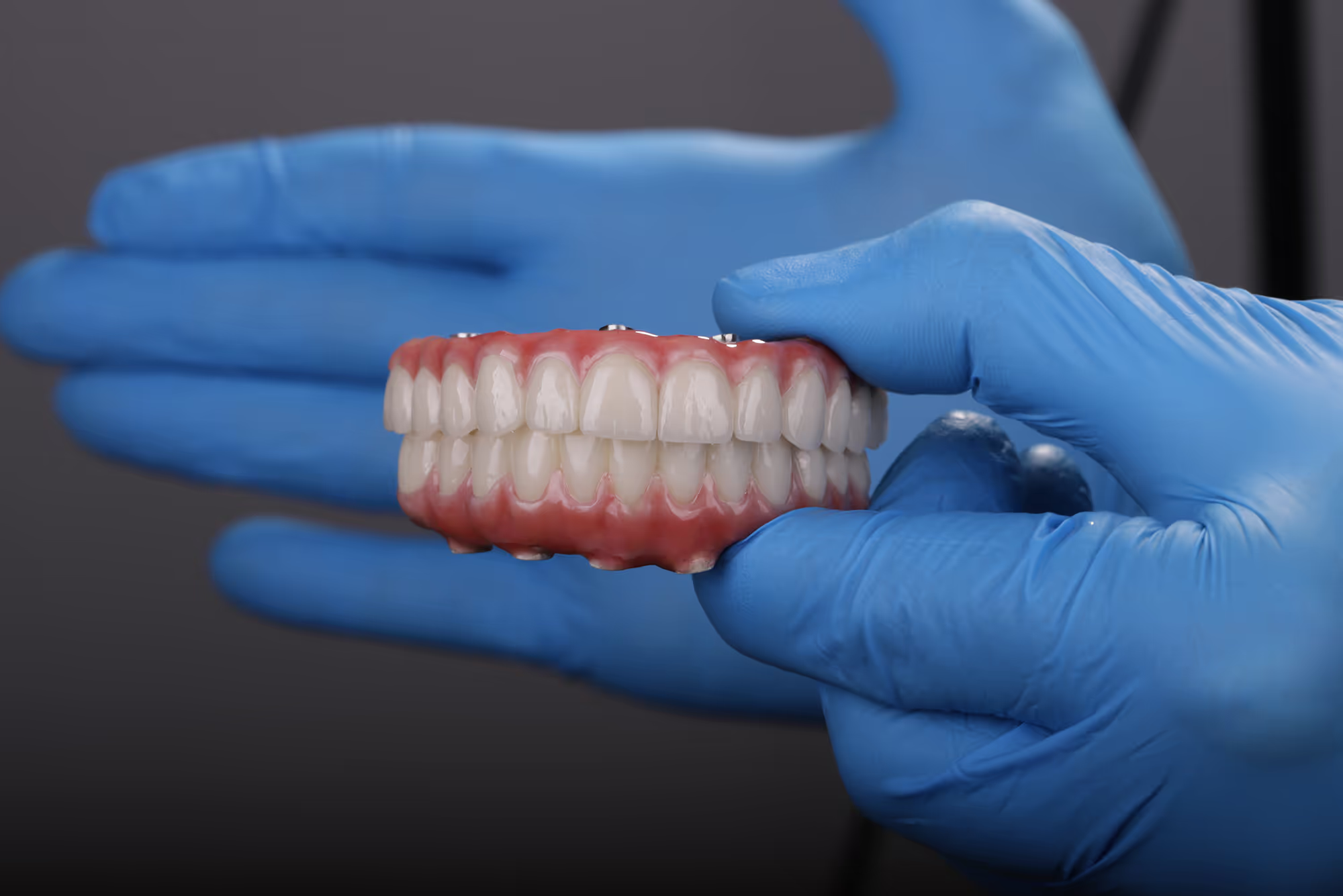
An overview of the All-on-4® dental implant solution for replacing a full upper or lower arch with a stable, natural-looking set of teeth using just four implants.
A brief look at three common laser dentistry treatments and how laser technology makes dental procedures more precise, comfortable, and minimally invasive.

A helpful guide outlining what to expect during recovery after full mouth reconstruction, including healing tips and post-treatment care for optimal results.