February 24, 2026
An overview of the All-on-4® dental implant solution for replacing a full upper or lower arch with a stable, natural-looking set of teeth using just four implants.
February 24, 2026

Dental bridges can restore function and appearance after tooth loss, but candidacy depends on the health of surrounding teeth, gum condition, and overall bite stability.
A dental bridge is a fixed restoration used to replace one or more missing teeth. It consists of artificial teeth supported by crowns placed on adjacent natural teeth or dental implants.
Traditional bridges rely on neighboring teeth for support. These anchor teeth are reshaped to hold crowns, which secure the replacement tooth in between.
Bridges restore chewing ability, maintain proper spacing, and prevent surrounding teeth from shifting out of position.
Dental bridges are often recommended for patients who:
Strong supporting teeth are essential because they must withstand additional biting pressure.
For a traditional bridge to be successful, the teeth next to the missing space must be structurally sound. If these teeth already have large fillings, decay, or weakened enamel, they may not provide adequate support.
In some cases, strengthening these teeth with crowns may still allow for bridge placement. However, if surrounding teeth are compromised, alternative solutions such as implant supported bridges may be recommended.
Healthy gums play a critical role in bridge success. Active gum disease can weaken supporting structures and increase the risk of future complications.
Bone support is also important. While traditional bridges do not directly replace tooth roots, stable surrounding bone ensures overall bite balance.
If bone loss is significant, your dentist may discuss implant options that stimulate and preserve bone structure.
Although bridges are effective for many patients, certain situations may require a different approach.
A bridge may not be recommended if:
In these cases, dental implants or partial dentures may provide better long term stability.
Dental implants are often considered the gold standard for tooth replacement because they replace both the root and crown of a missing tooth. Unlike traditional bridges, implants do not rely on neighboring teeth.
However, bridges may be appropriate for patients who prefer a non surgical option or need a quicker solution.
The best choice depends on your oral health, bone density, budget, and long term goals.
With proper care, dental bridges can last many years. Daily brushing and flossing are essential, especially under the bridge where plaque can accumulate.
Longevity depends on:
The bridge process typically involves two or more visits. During the first appointment, the supporting teeth are prepared and impressions are taken. A temporary bridge may be placed while the permanent restoration is fabricated.
At the final visit, the permanent bridge is adjusted and securely cemented in place.
Patients often experience improved chewing comfort and restored appearance immediately after placement.
Dental bridges remain a reliable and effective way to replace missing teeth. Determining whether you are a candidate depends on the health of surrounding teeth, gum condition, and overall bite stability.
A comprehensive dental evaluation will help determine whether a traditional bridge or another tooth replacement option is best suited to your needs.
Related blogs
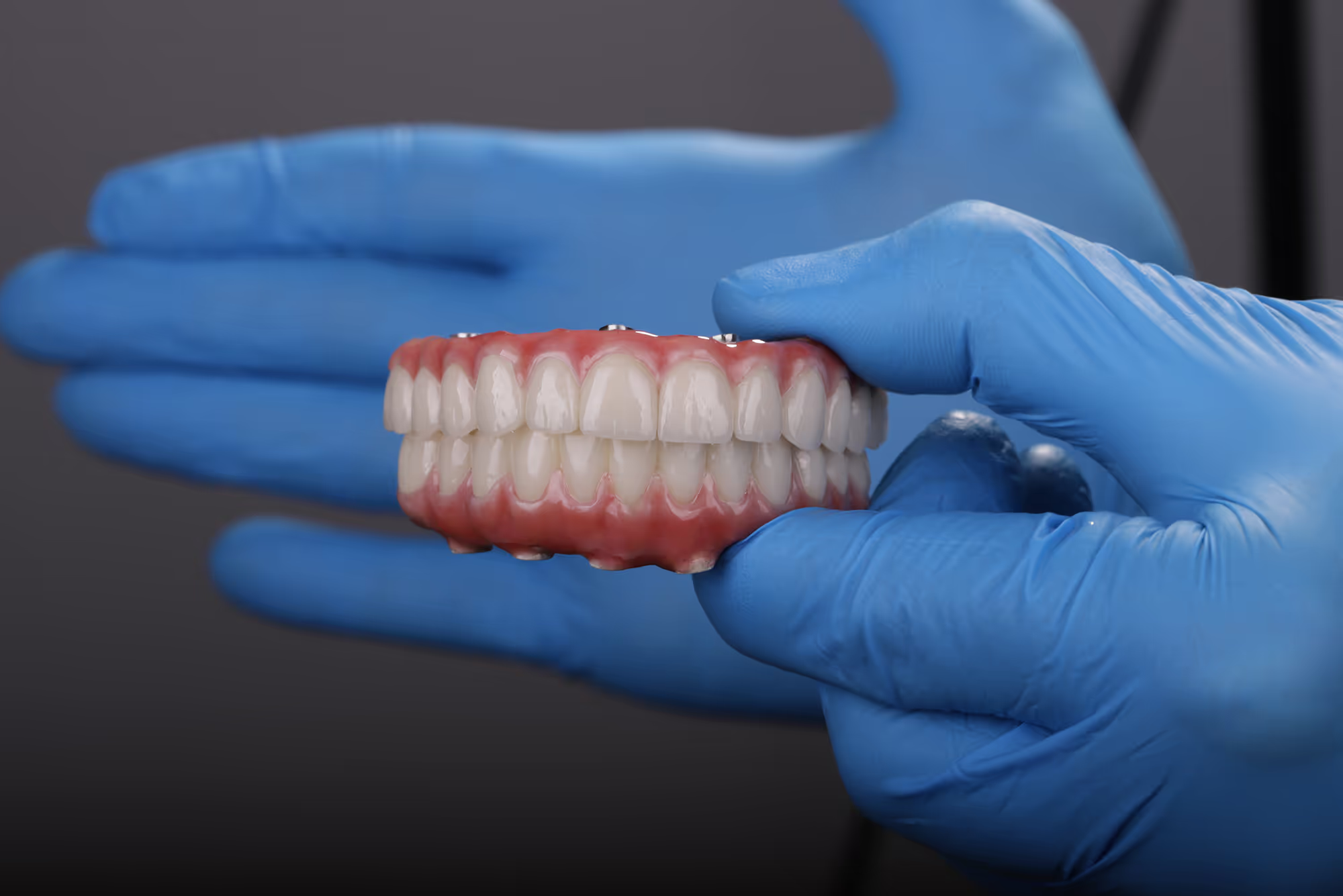
An overview of the All-on-4® dental implant solution for replacing a full upper or lower arch with a stable, natural-looking set of teeth using just four implants.
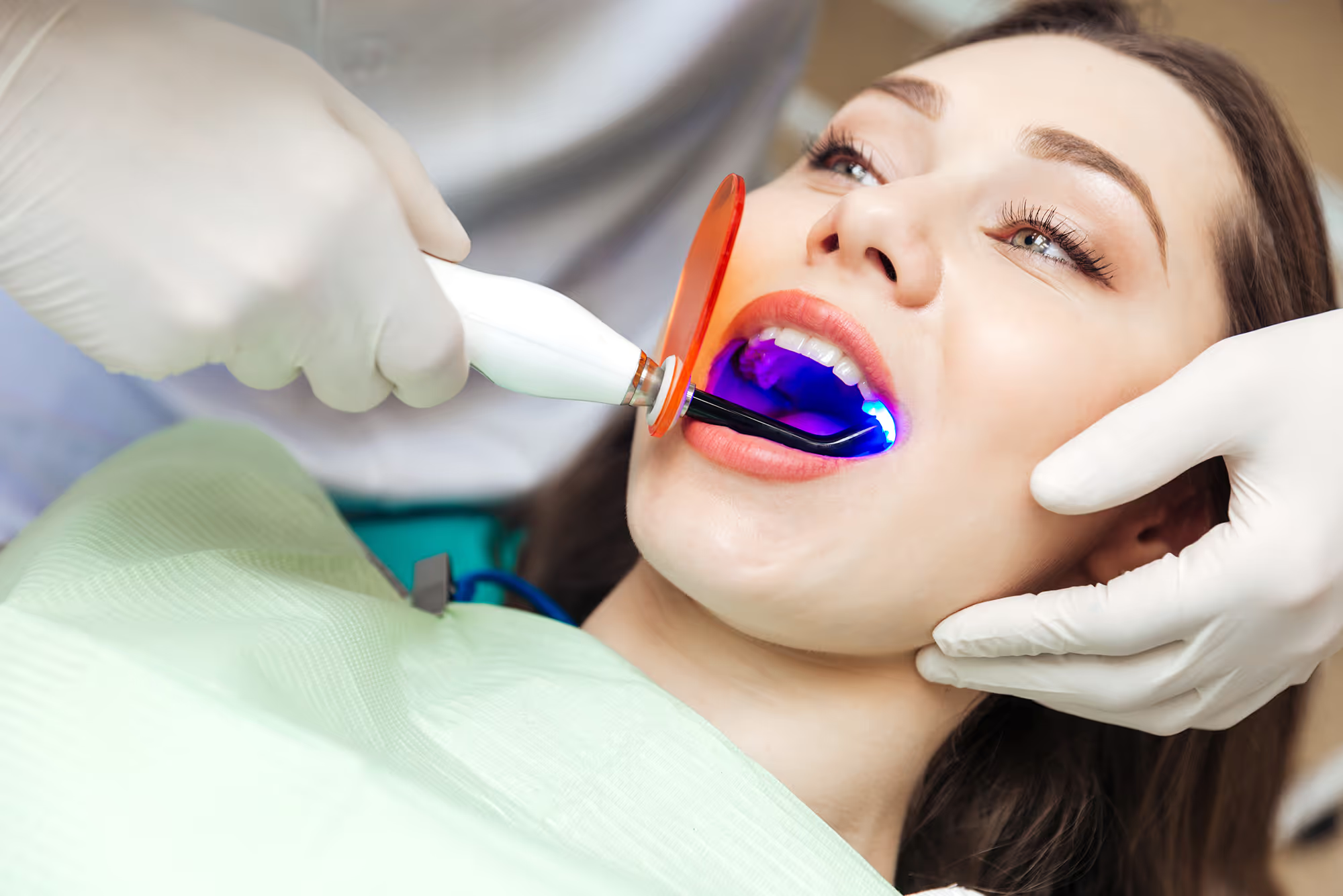
A brief look at three common laser dentistry treatments and how laser technology makes dental procedures more precise, comfortable, and minimally invasive.

A helpful guide outlining what to expect during recovery after full mouth reconstruction, including healing tips and post-treatment care for optimal results.