February 24, 2026
An overview of the All-on-4® dental implant solution for replacing a full upper or lower arch with a stable, natural-looking set of teeth using just four implants.
February 24, 2026
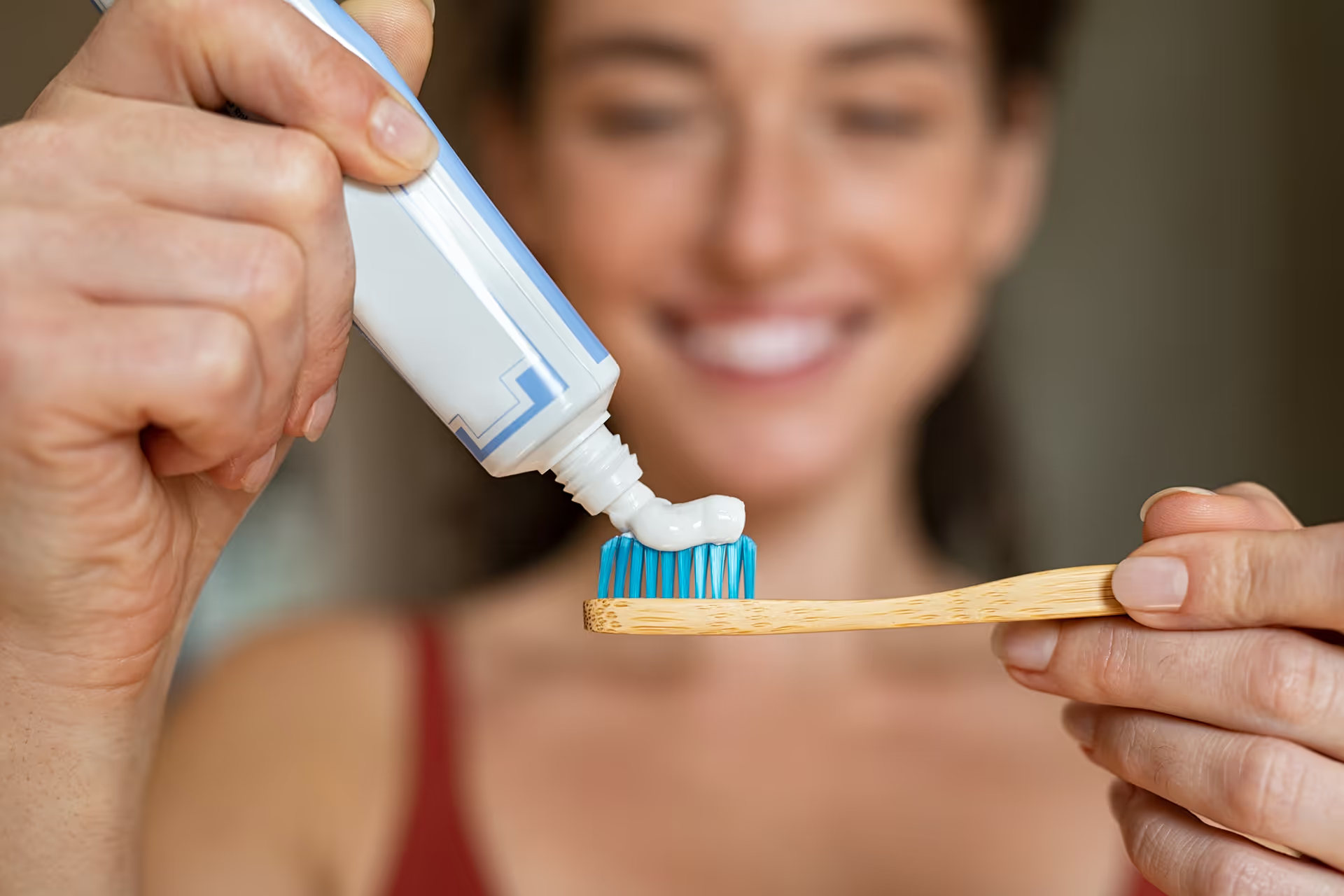
Using toothpaste too soon after a tooth extraction can disturb the protective blood clot and delay healing. Knowing when and how to resume brushing safely helps reduce the risk of infection and promotes faster recovery.
After a tooth is removed, a blood clot forms in the empty socket. This clot protects the underlying bone and nerves while new tissue begins to develop. If the clot becomes dislodged, a painful condition called dry socket can occur.
During the first 24 hours, it is important to avoid disturbing the extraction site. This means:
Even toothpaste foam and aggressive brushing motions can disrupt the clot if you are not careful.
In most cases, you can resume using toothpaste after 24 hours, but with caution. You should brush gently and avoid direct contact with the extraction area for several days.
When brushing during early recovery:
The goal is to maintain overall oral hygiene while protecting the healing tissue.
Brushing aggressively or too close to the extraction site can dislodge the clot. If this happens, the bone and nerves underneath become exposed. Dry socket may cause severe pain, bad breath, and delayed healing.
Symptoms of dry socket include:
If you suspect dry socket, contact your dentist promptly for evaluation.
While you need to protect the extraction site, keeping the rest of your mouth clean is still important.
After the first 24 hours, gentle saltwater rinses can help keep the area clean. Mix warm water with a small amount of salt and let it flow gently around the mouth without vigorous swishing.
Avoid alcohol based mouthwashes unless specifically instructed by your dentist.
Maintaining clean surrounding teeth reduces bacteria and supports faster healing.
What you eat also affects recovery. During the first few days, stick to soft foods that do not require heavy chewing.
Recommended options include:
Avoid hard, crunchy, spicy, or very hot foods during early healing. These can irritate the surgical site or disrupt the clot.
Staying hydrated also supports healing, but avoid using straws for at least a week, as suction can dislodge the clot.
Most patients can return to normal brushing habits within about one week, depending on healing progress. By this time, the initial clot has stabilized and new tissue is forming.
However, complete healing of the socket may take several weeks. If stitches were placed, follow your dentist’s instructions regarding removal or dissolution.
Listen to your body. If brushing causes discomfort, slow down and allow more time for recovery.
Normal healing after extraction typically includes mild soreness that gradually improves. Swelling should decrease after the first few days.
Healthy signs of recovery include:
If you experience worsening pain, swelling, or fever, contact your dentist immediately.
Surgical extractions or impacted teeth removal may require additional care. Healing may take slightly longer, and your dentist may provide more specific instructions regarding toothpaste and brushing.
Always follow personalized post operative instructions, as each case may vary.
Using toothpaste after a tooth extraction is safe when timed properly and done gently. Waiting at least 24 hours before brushing near the area helps protect the blood clot and reduce the risk of dry socket.
Maintaining careful hygiene, following dietary guidelines, and monitoring healing signs will support a smoother recovery. If you have concerns about your extraction site, contacting your dental provider ensures peace of mind and proper care.
Related blogs
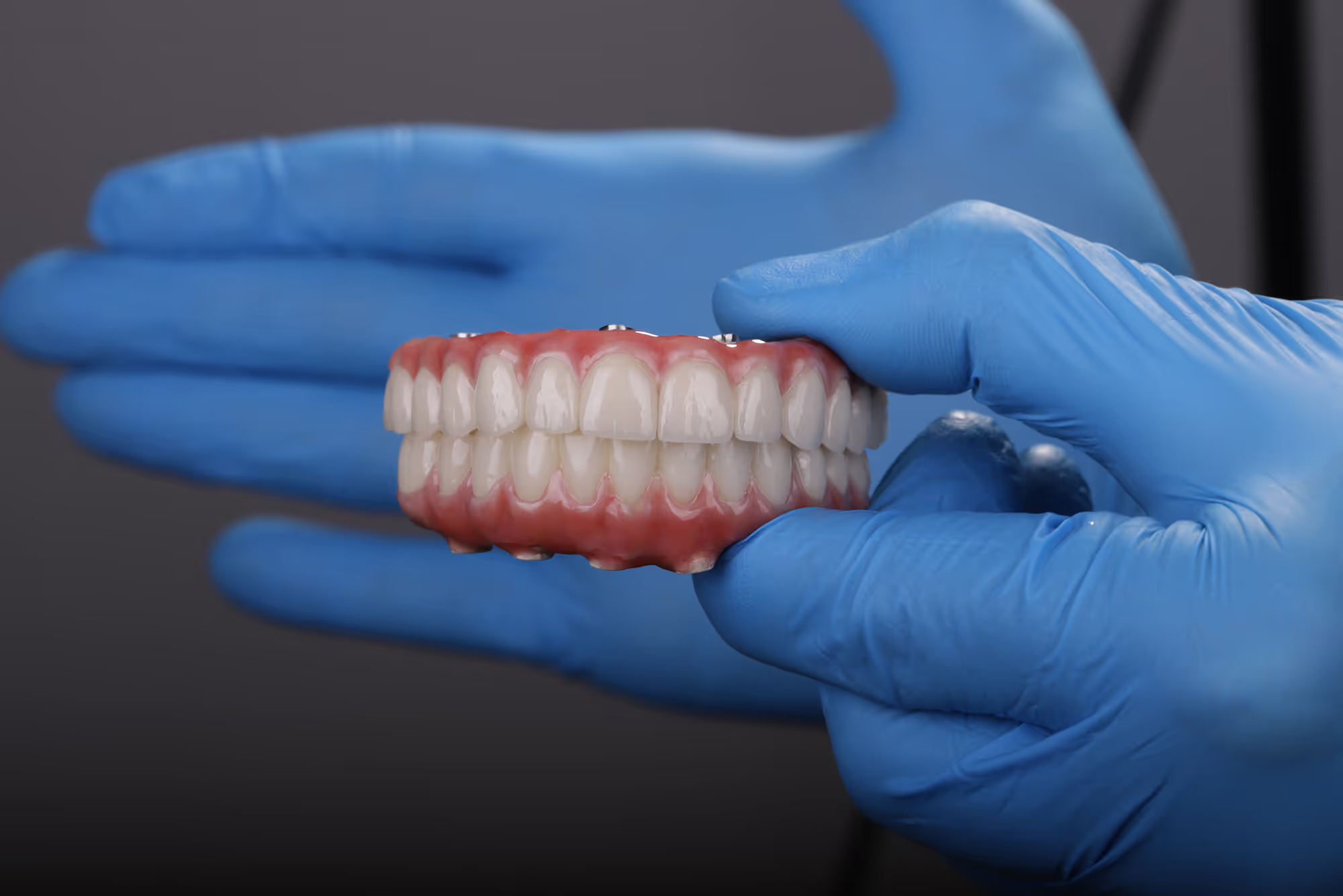
An overview of the All-on-4® dental implant solution for replacing a full upper or lower arch with a stable, natural-looking set of teeth using just four implants.
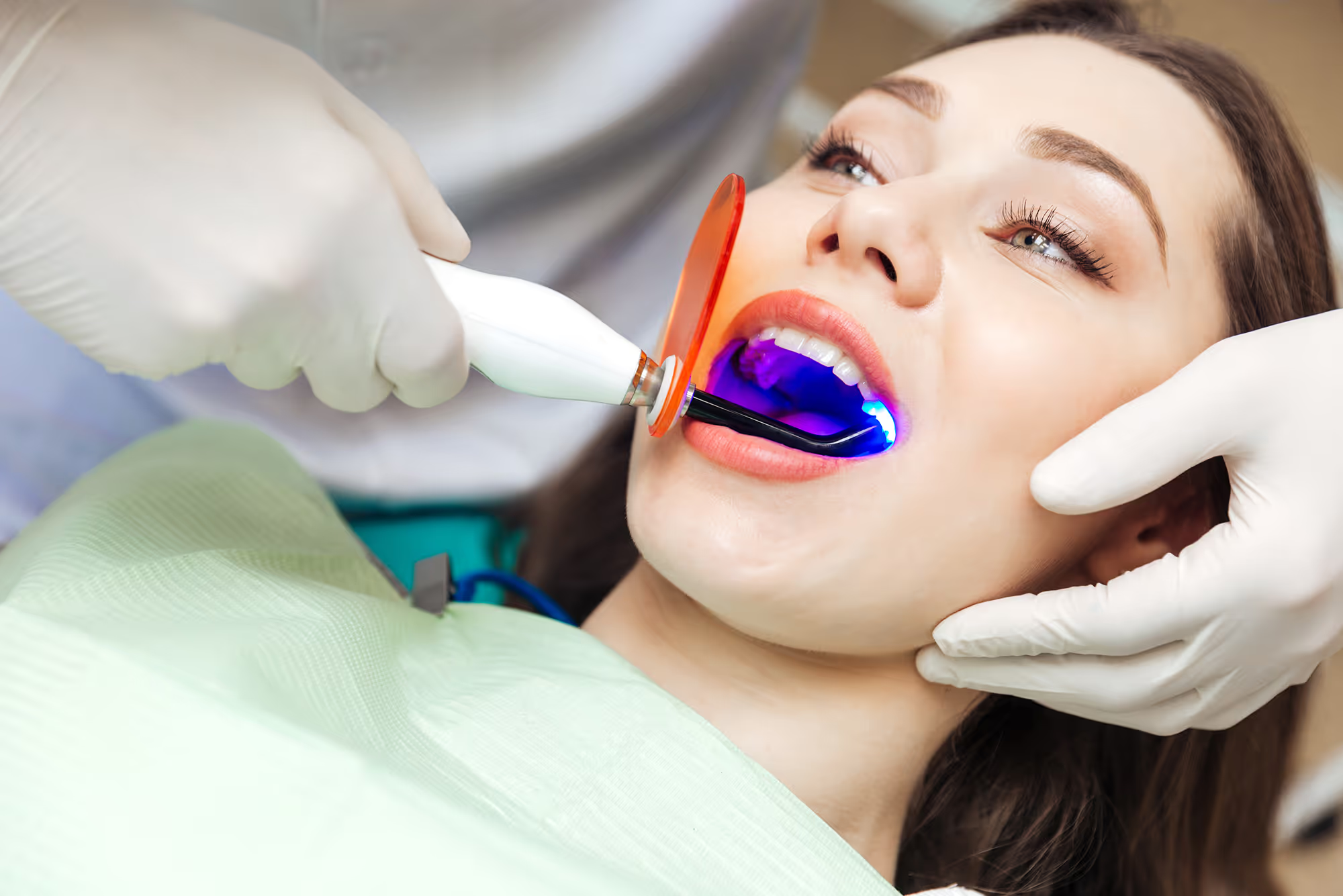
A brief look at three common laser dentistry treatments and how laser technology makes dental procedures more precise, comfortable, and minimally invasive.
A helpful guide outlining what to expect during recovery after full mouth reconstruction, including healing tips and post-treatment care for optimal results.