February 24, 2026
An overview of the All-on-4® dental implant solution for replacing a full upper or lower arch with a stable, natural-looking set of teeth using just four implants.
February 24, 2026
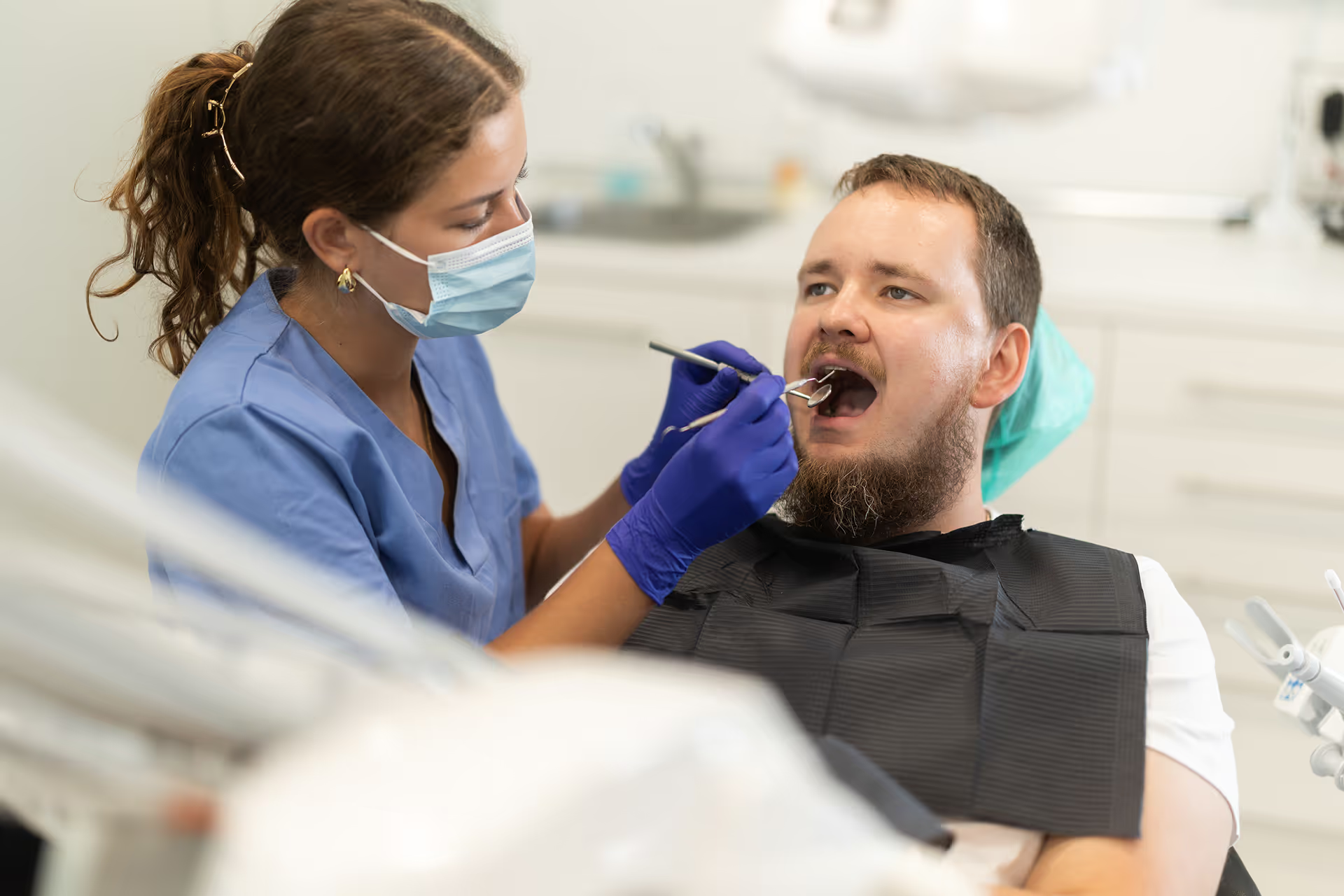
Cavities are one of the most common dental issues affecting both children and adults. Even with good oral hygiene, plaque and bacteria can gradually wear down enamel and create areas of decay. Fortunately, family dentists are trained to detect and treat cavities early, helping prevent more serious complications such as infection or tooth loss. Family dentists diagnose and treat cavities using fillings, crowns, and preventive care strategies to restore tooth strength and protect long term oral health.
Cavities develop when plaque bacteria produce acids that break down tooth enamel. Over time, this process creates small holes in the surface of the tooth.
Common causes include frequent sugar consumption, inadequate brushing, dry mouth, and skipping regular dental checkups. When caught early, cavities are easier and less invasive to treat.
Regular exams allow family dentists to identify decay before it progresses deeper into the tooth.
Family dentists use a combination of visual exams, dental instruments, and digital X rays to detect cavities. Some areas of decay are visible on the surface, while others may develop between teeth or below the enamel.
Early detection is critical. Small cavities can often be treated quickly, while advanced decay may require more extensive procedures.
The method used to treat a cavity depends on how much damage has occurred.
For most mild to moderate cavities, a dental filling is the standard solution. The decayed portion of the tooth is removed, and a filling material restores strength and shape.
If decay has weakened a large portion of the tooth, a dental crown may be necessary. Crowns cover the entire visible part of the tooth, protecting it from further damage.
If decay reaches the inner pulp and causes infection, a root canal may be required to remove infected tissue and save the tooth.
Family dentists typically choose the least invasive option that restores long term stability.
Receiving a filling is usually straightforward and comfortable.
During the procedure:
Modern composite fillings are tooth colored and blend naturally with surrounding enamel. Once placed, the filling is shaped and polished to restore proper bite alignment.
Most patients return to normal activities immediately after treatment.
Family dentists treat patients of all ages, including young children. Pediatric cavity treatment follows similar principles but may involve additional behavior management techniques to ensure comfort.
Sealants may also be recommended for children. Dental sealants are protective coatings applied to molars to prevent cavities from forming in deep grooves.
Early education about brushing and diet plays a major role in preventing future decay.
After treating a cavity, preventing recurrence is essential. Family dentists emphasize preventive strategies tailored to each patient’s needs.
Prevention typically includes:
Professional cleanings remove plaque buildup that cannot be eliminated at home. Fluoride treatments may also strengthen enamel and reduce future risk.
Dietary guidance can help reduce sugar exposure and lower cavity formation.
Ignoring a cavity allows decay to progress deeper into the tooth. What begins as a small enamel defect can eventually reach the pulp, causing infection and severe pain.
Untreated cavities may lead to:
Seeking prompt treatment prevents complications and preserves natural tooth structure.
Modern dentistry prioritizes patient comfort. Local anesthesia ensures that cavity treatment is typically painless. Mild sensitivity after a filling is normal but usually resolves quickly.
For patients with dental anxiety, additional comfort options may be discussed to create a relaxed experience.
When treated early and maintained properly, filled or restored teeth can function normally for many years.
Regular dental visits allow monitoring of restorations and early detection of new decay.
Family dentistry focuses not only on treating cavities but also on building long term oral health habits for the entire household.
Cavities are common, but they are highly treatable. A family dentist evaluates the extent of decay and recommends the most conservative and effective solution.
With early detection, proper treatment, and preventive care, patients of all ages can maintain strong, healthy smiles for years to come.
Related blogs
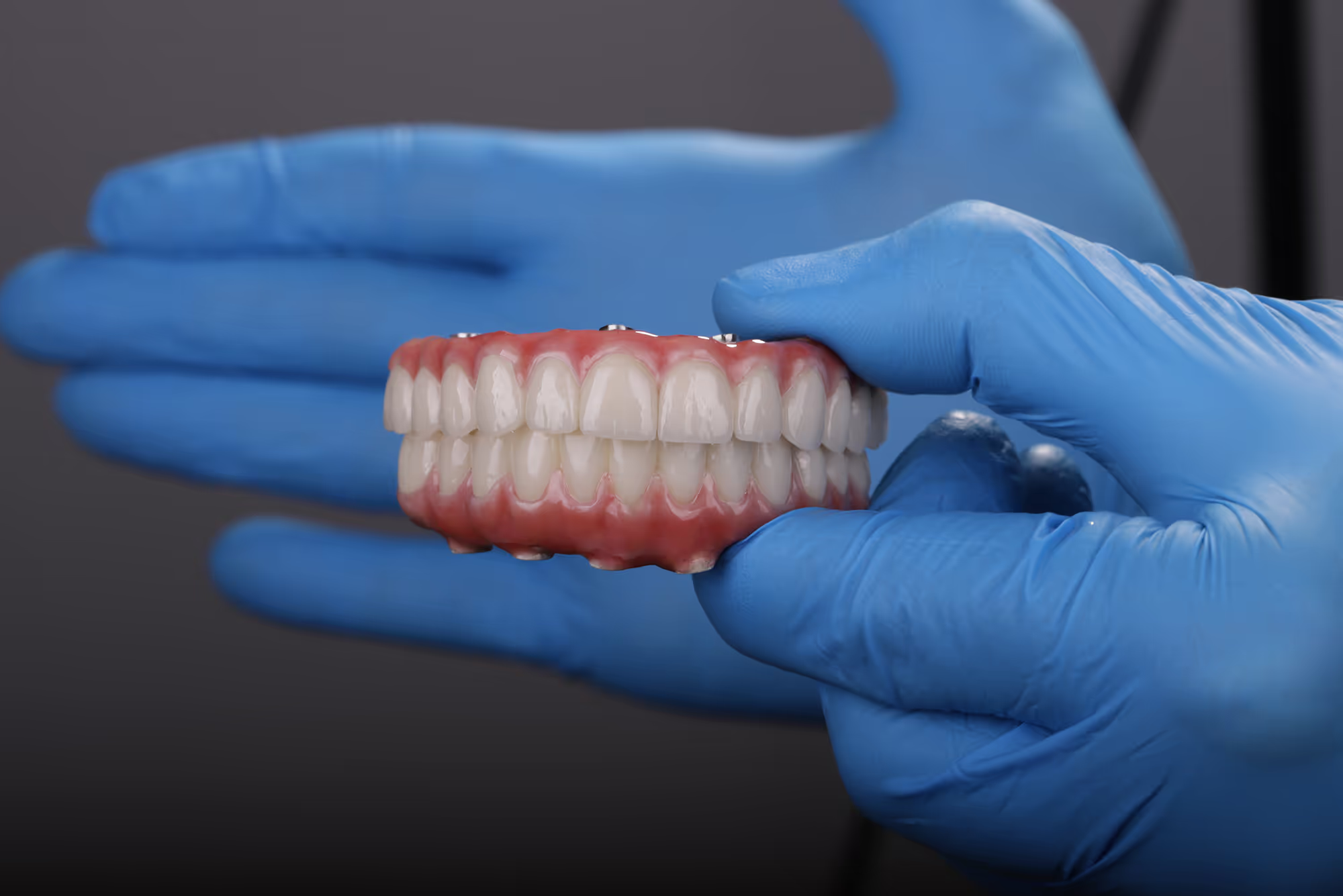
An overview of the All-on-4® dental implant solution for replacing a full upper or lower arch with a stable, natural-looking set of teeth using just four implants.

A brief look at three common laser dentistry treatments and how laser technology makes dental procedures more precise, comfortable, and minimally invasive.

A helpful guide outlining what to expect during recovery after full mouth reconstruction, including healing tips and post-treatment care for optimal results.