February 24, 2026
An overview of the All-on-4® dental implant solution for replacing a full upper or lower arch with a stable, natural-looking set of teeth using just four implants.
February 24, 2026

Dentists aim to save natural teeth whenever possible, but in some cases extraction may be the healthier option. The decision depends on the extent of damage, infection, bone support, and long term prognosis.
Natural teeth are strong, functional, and designed to work in harmony with your jaw and surrounding structures. When a tooth can be repaired safely and predictably, preserving it is typically recommended.
Saving a tooth helps:
Modern restorative dentistry offers several solutions that allow severely damaged teeth to be repaired rather than removed.
The decision to pull or save a tooth is never made lightly. A comprehensive exam, including X rays and a clinical evaluation, helps determine the condition of the tooth and surrounding bone.
Several key factors influence the recommendation.
If decay is limited to the crown of the tooth, it can often be treated with a filling or crown. Even when infection reaches the pulp, a root canal may allow the tooth to be preserved.
However, if decay extends deep below the gumline or compromises structural integrity beyond repair, extraction may be considered.
An abscess or severe infection does not automatically mean a tooth must be removed. Root canal therapy can eliminate infection and allow healing in many cases.
Extraction may be necessary if:
Healthy bone and gum tissue are essential for tooth stability. Advanced periodontal disease may weaken the supporting structures to the point where the tooth becomes loose.
If bone loss is extensive and cannot be restored predictably, removal may offer a healthier long term solution.
Modern dentistry provides several options for preserving natural teeth.
Root canal therapy removes infected pulp while keeping the outer tooth structure intact. A crown is often placed afterward to restore strength.
In cases of cracks or fractures that do not extend into the root, a crown can stabilize the tooth and prevent further damage.
Even severely worn teeth from grinding can sometimes be rebuilt with restorative materials rather than removed.
There are situations where removing the tooth is in the patient’s best interest. If saving the tooth would lead to repeated infections, chronic pain, or structural instability, extraction may prevent ongoing complications.
Extraction may be recommended if:
Removing a non salvageable tooth can stop infection from spreading and protect neighboring teeth.
If extraction is necessary, your dentist will discuss replacement options to restore function and prevent shifting of surrounding teeth.
Common replacement options include dental implants, bridges, or partial dentures. Replacing a missing tooth is important for maintaining bite balance and preventing jawbone deterioration.
In many cases, planning for replacement begins before the extraction is performed.
Choosing whether to save or remove a tooth is not only about immediate relief. It also involves long term oral health planning.
Saving a tooth may preserve natural function and prevent additional procedures. However, attempting to save a severely compromised tooth may result in ongoing costs and discomfort.
Your dentist evaluates both short term treatment success and long term prognosis before making a recommendation.
Early intervention increases the chances of saving a damaged tooth. Ignoring pain or delaying treatment can allow decay or infection to worsen.
Regular dental visits help detect problems before they become severe enough to require extraction.
If you are experiencing tooth pain or have been told you may need an extraction, seeking a professional evaluation can clarify your options.
Deciding whether to pull or save a tooth requires careful consideration of structural damage, infection severity, bone support, and long term stability. Dentists aim to preserve natural teeth whenever possible, but in some cases extraction provides the healthiest outcome.
A comprehensive exam ensures the decision is based on what will best support your comfort, function, and long term oral health.
Related blogs
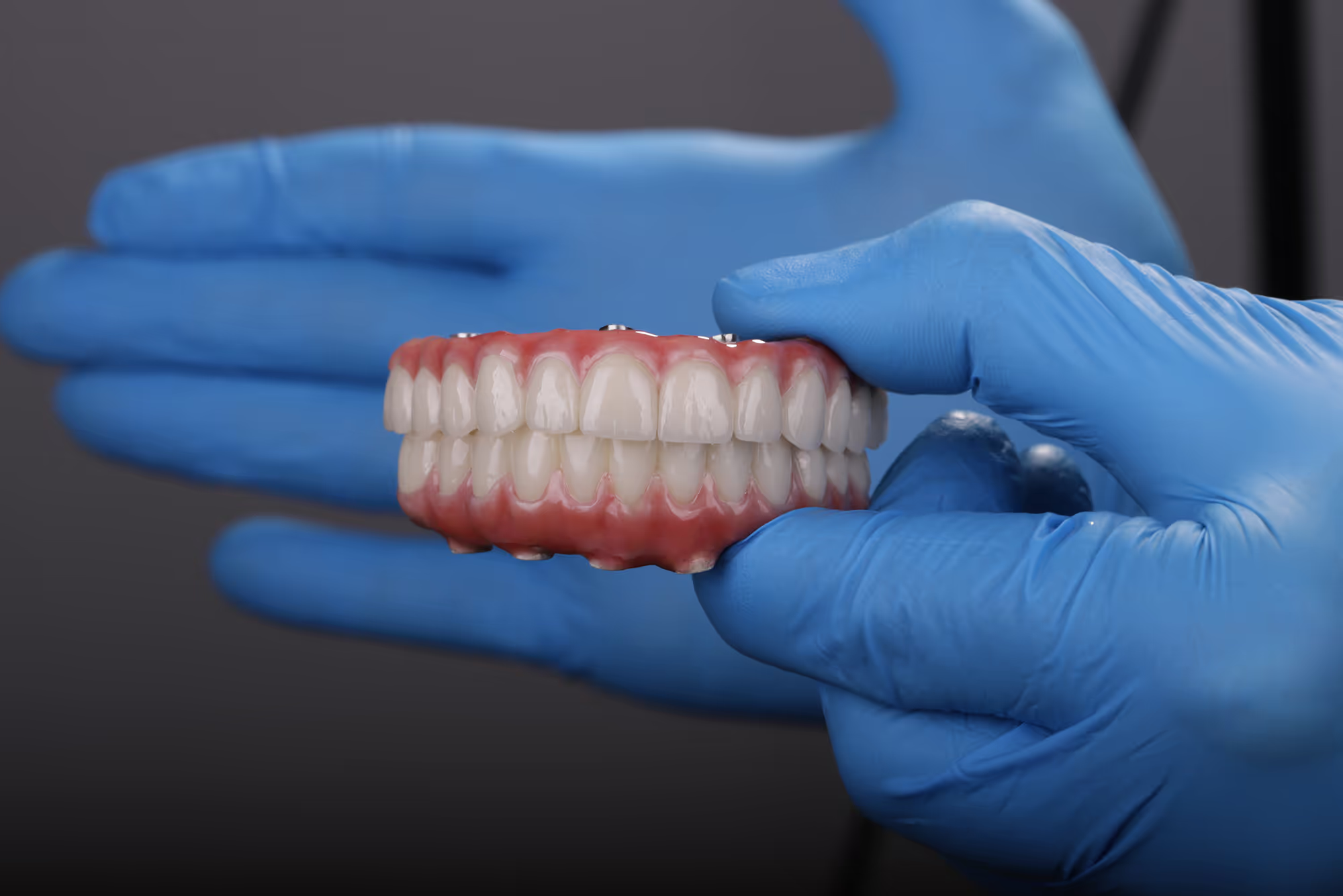
An overview of the All-on-4® dental implant solution for replacing a full upper or lower arch with a stable, natural-looking set of teeth using just four implants.
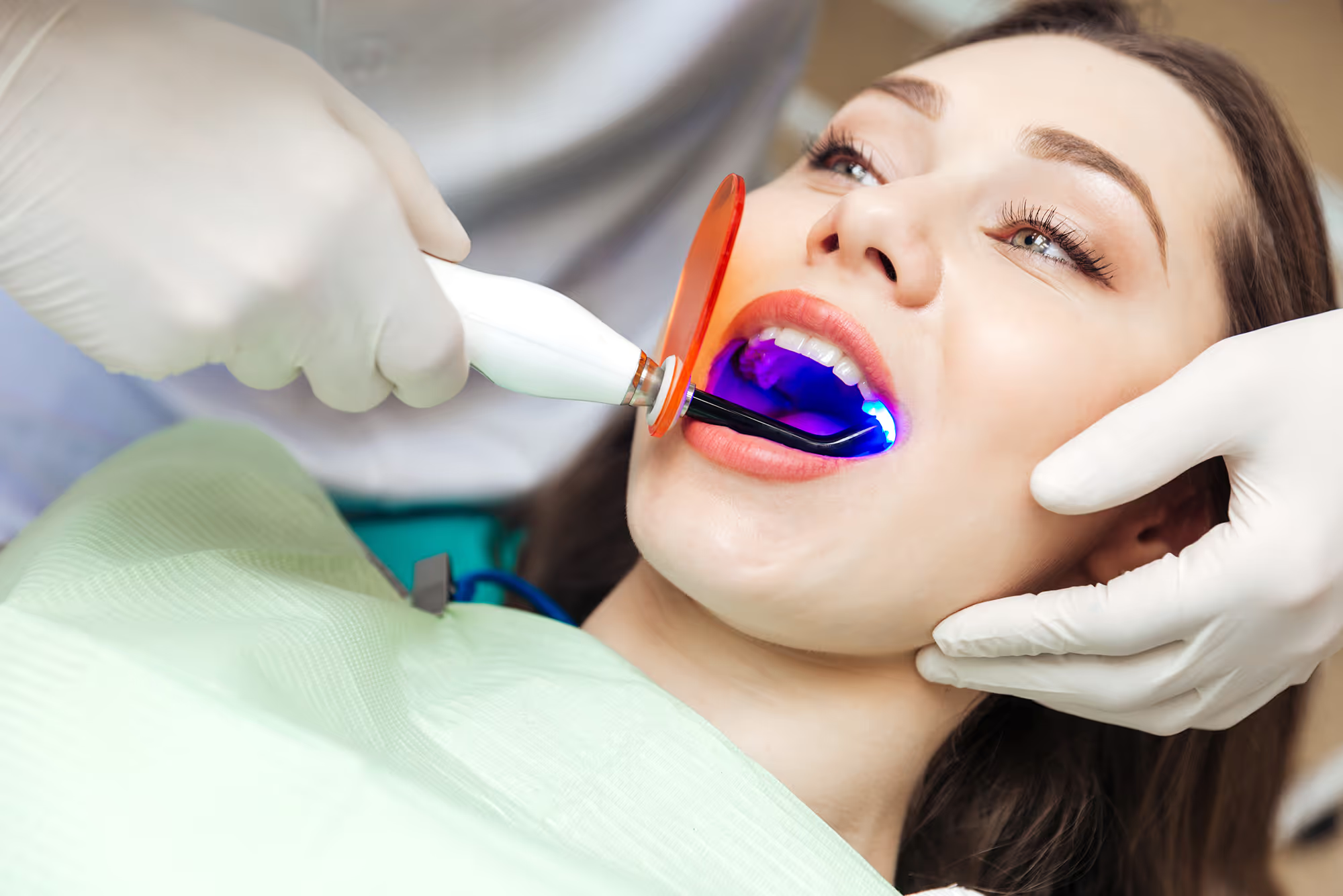
A brief look at three common laser dentistry treatments and how laser technology makes dental procedures more precise, comfortable, and minimally invasive.

A helpful guide outlining what to expect during recovery after full mouth reconstruction, including healing tips and post-treatment care for optimal results.