February 3, 2026
An overview of the All-on-4® dental implant solution for replacing a full upper or lower arch with a stable, natural-looking set of teeth using just four implants.
February 3, 2026

A chipped tooth can happen in an instant—biting down on something hard, a sports injury, or even an old filling that weakens over time. No matter how it happens, a chip can affect your appearance, comfort, and the long-term health of your tooth. The good news is that a general dentist can often repair chipped teeth quickly and conservatively, restoring both function and natural aesthetics.
At Dr. Amy’s Dental Office in Thousand Oaks, we offer multiple treatment options for chipped teeth, from simple cosmetic bonding to crowns and other restorative solutions. This guide explains the most common procedures a general dentist uses to fix chipped teeth, how to decide which option is best, what to do immediately after a chip, and how to prevent future damage.
Even a small chip can create rough edges that trap plaque and bacteria. Over time, that can increase the risk of cavities or gum irritation. If the chip is deeper, it may expose dentin (the layer under enamel) or even the pulp (where the nerve lives), leading to sensitivity, pain, or infection.
Fixing the chip early helps:
Understanding why a tooth chipped can help prevent the next one. Common causes include:
If you chip a tooth, these steps can help protect the area until you see a dentist:
When you come in, we’ll look at the location and depth of the chip, check your bite, and evaluate any existing restorations. We may use x-rays to assess the root and surrounding bone and to determine whether the pulp is involved. The treatment plan depends on:
If the chip is very small, your dentist may be able to smooth and polish the edge. This can remove roughness and improve appearance without adding material. While this option is quick, it is only appropriate when the chip is minimal and the tooth remains strong.
For small chips—especially on back teeth—a tooth-colored composite filling can restore the missing portion and reinforce the tooth. The dentist cleans and prepares the area, applies bonding agents, then places composite in layers. Each layer is hardened with a curing light and then shaped and polished.
Best for: small to moderate chips, minor structural loss, or areas needing a conservative repair.
Benefits: natural color match, cost-effective, usually completed in one visit.
Dental bonding is one of the most common solutions for chipped front teeth. Bonding uses a tooth-colored resin that can be sculpted to recreate the natural shape of the tooth. The surface is prepared so the resin adheres securely, then the material is shaped, cured, and polished for a seamless finish.
Best for: mild to moderate chips, especially on front teeth where appearance matters.
Benefits: fast, minimally invasive, natural-looking, usually same-day treatment.
Considerations: bonding can stain over time and may not be as durable as porcelain for some patients.
If a chip affects the front surface of a visible tooth, a porcelain veneer can restore the appearance while strengthening the outer surface. Veneers are custom-made shells bonded to the front of the tooth to cover chips, stains, and minor shape concerns.
Best for: cosmetic improvement on front teeth, multiple chips or uneven edges, and patients who want a longer-lasting esthetic solution.
Benefits: stain resistance, lifelike translucency, strong cosmetic results.
When a chip is large or the tooth is weakened, a crown may be the most protective option. A crown covers the entire tooth, restoring shape and strength and reducing the risk of future fractures. Crowns can be made from porcelain, ceramic, or zirconia materials designed for both durability and natural appearance.
Best for: significant chips, cracked teeth, teeth with large fillings, or teeth that have had root canal therapy.
Benefits: long-term strength, full coverage protection, functional stability.
In some situations—especially for back teeth—an inlay or onlay can restore a chipped area without covering the entire tooth. These restorations are typically lab-made for strength and precision and can be a great middle ground between a filling and a crown.
If a chip exposes the pulp or the tooth becomes infected, root canal therapy may be necessary to remove inflamed tissue and relieve pain. After a root canal, the tooth usually needs a crown to protect it because it can become more brittle over time.
There is no single “best” fix for every chip. The ideal solution balances strength, appearance, cost, and long-term health. As a rule of thumb:
During your visit, we’ll explain the pros and cons of each option and recommend the most conservative approach that still gives you a reliable, long-lasting result.
Most chipped tooth repairs have minimal downtime. After bonding or a filling, you can typically return to normal activities right away. Crowns and veneers may involve temporaries while the final restoration is made. For comfort and longevity:
Some chips are unavoidable accidents, but many can be prevented with simple habits:
If you’ve chipped a tooth, we’re here to help. Dr. Amy’s Dental Office in Thousand Oaks provides gentle, comprehensive care with treatment options tailored to your tooth, your bite, and your cosmetic goals. Contact our team to schedule an evaluation and get your smile back on track.
Related blogs
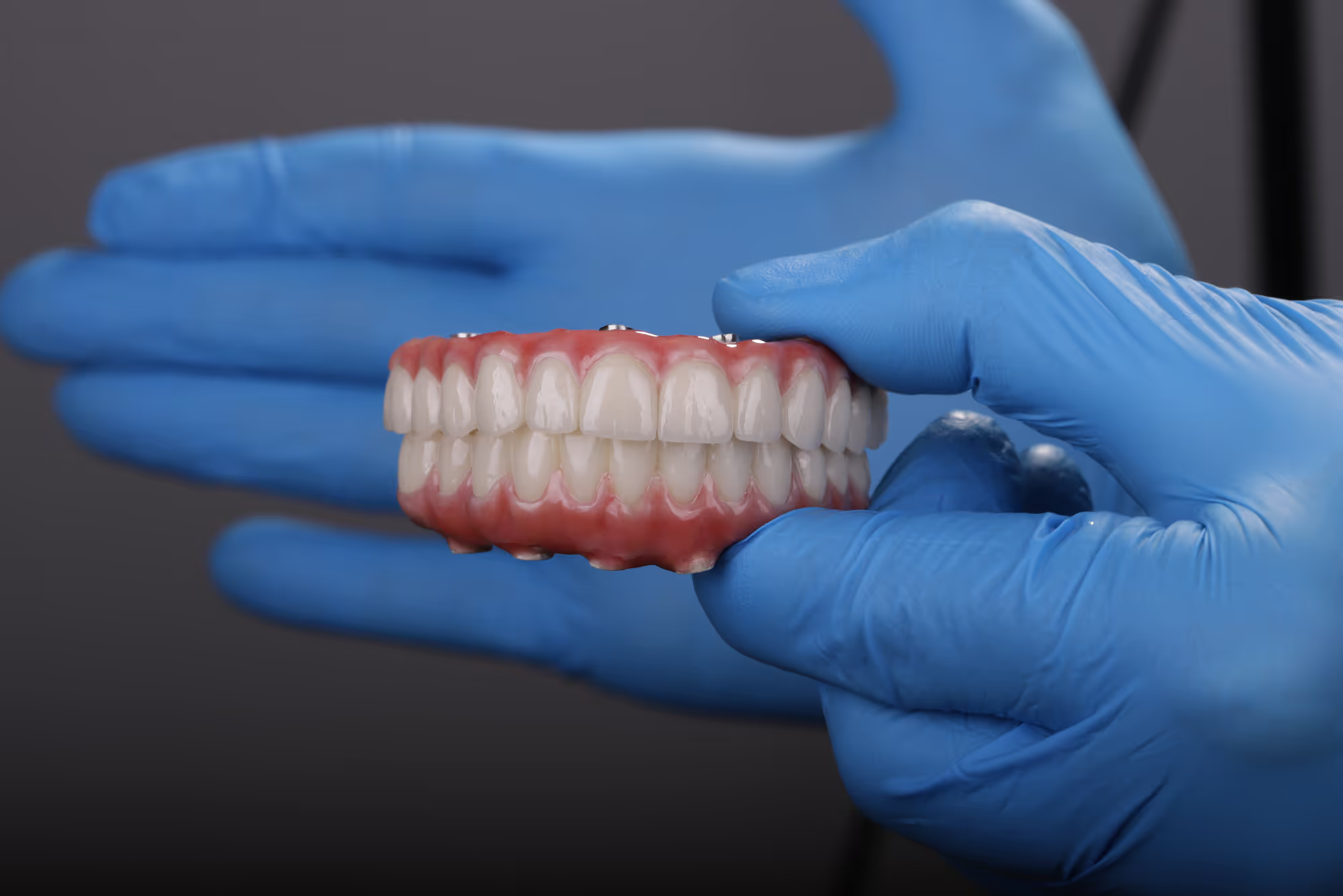
An overview of the All-on-4® dental implant solution for replacing a full upper or lower arch with a stable, natural-looking set of teeth using just four implants.
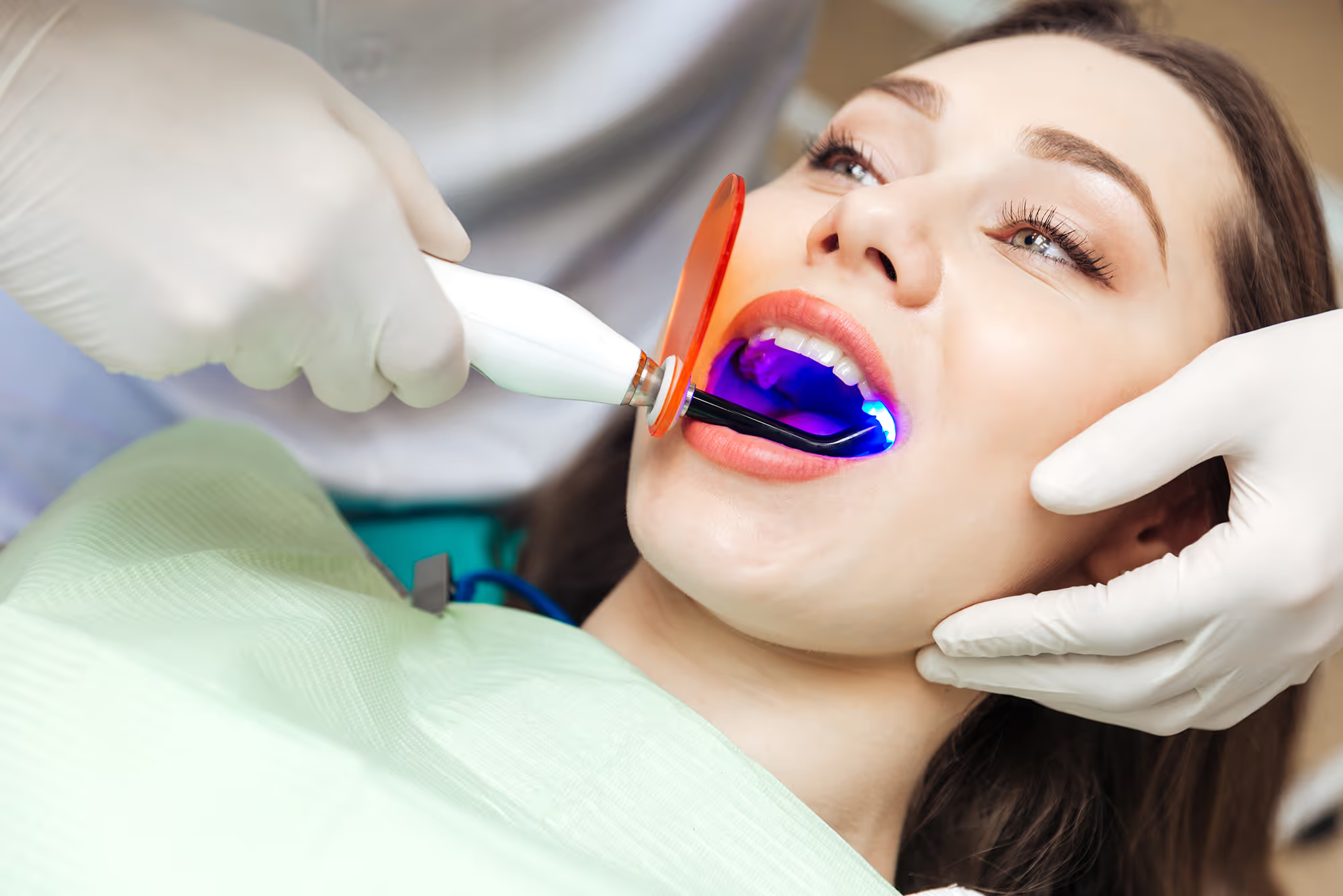
A brief look at three common laser dentistry treatments and how laser technology makes dental procedures more precise, comfortable, and minimally invasive.
A helpful guide outlining what to expect during recovery after full mouth reconstruction, including healing tips and post-treatment care for optimal results.