February 24, 2026
An overview of the All-on-4® dental implant solution for replacing a full upper or lower arch with a stable, natural-looking set of teeth using just four implants.
February 24, 2026
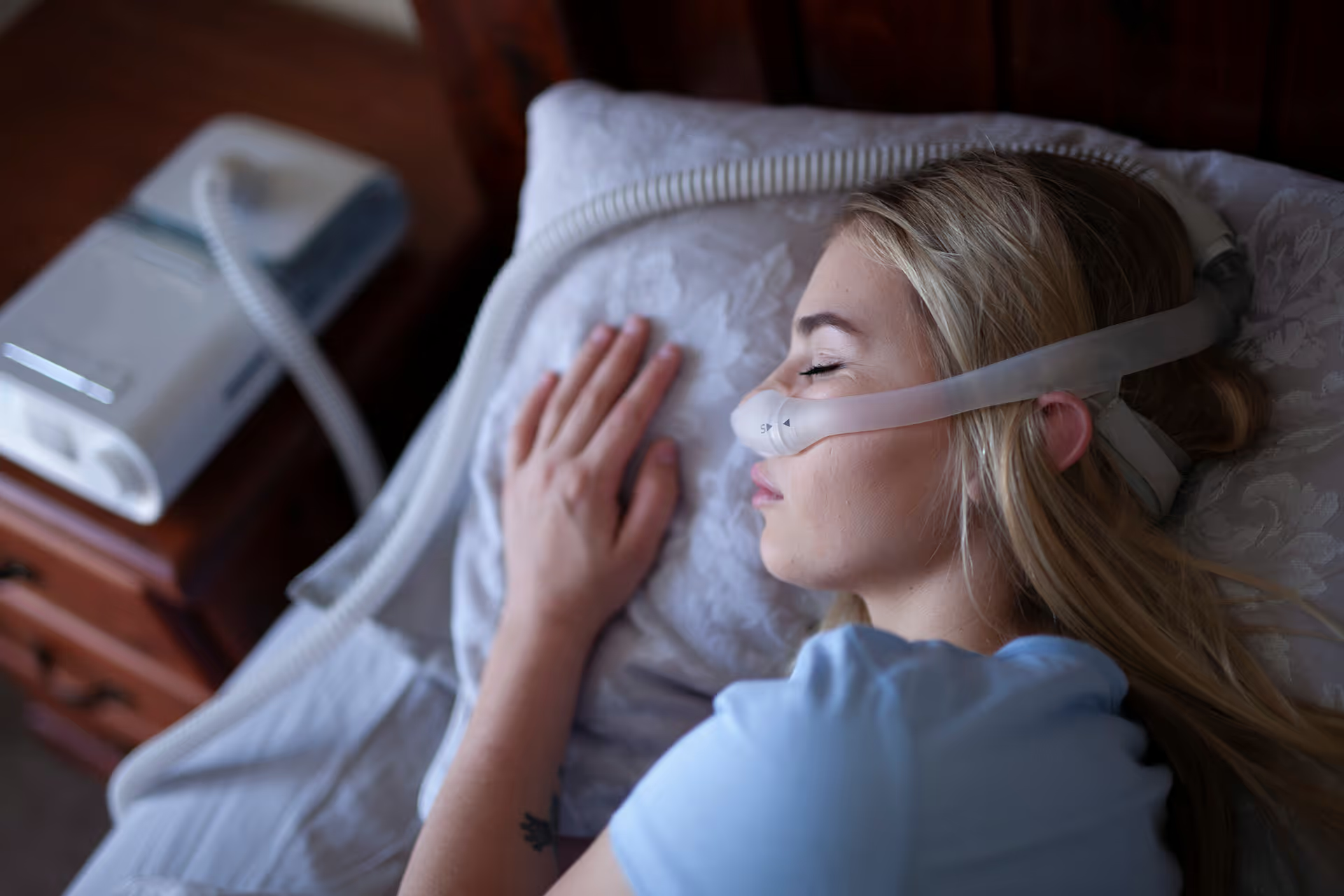
Sleep apnea is more than just snoring. It is a serious condition that disrupts breathing during sleep, reduces oxygen levels, and affects overall health. Many patients are diagnosed with obstructive sleep apnea and are prescribed a CPAP machine. While CPAP therapy is effective, not everyone tolerates it well.
For patients seeking a more comfortable and portable solution, dental oral appliance therapy may be an excellent alternative. At Dr. Amy’s Dental Office, we provide customized oral appliances designed to improve airflow and support healthier sleep.
If you would like to learn more about our comprehensive care approach, visit Dr. Amy’s Dental Office.
A dental oral appliance is a custom made device worn during sleep. It resembles a mouthguard and works by repositioning the lower jaw slightly forward. This forward positioning helps keep the airway open and prevents collapse of soft tissues in the throat.
Unlike CPAP machines that rely on continuous air pressure, oral appliances physically adjust the jaw to reduce airway obstruction. This can significantly reduce snoring and mild to moderate obstructive sleep apnea symptoms.
These devices are compact, quiet, and easy to travel with, making them appealing for patients who struggle with bulky CPAP equipment.
There are several types of oral appliances available. While the overall goal is the same, the design and adjustability may differ.
The most common category is the mandibular advancement device. This appliance holds the lower jaw in a forward position throughout the night. It is adjustable and customized for comfort and effectiveness.
Another option is the tongue retaining device. Instead of repositioning the jaw, it gently holds the tongue forward to prevent it from blocking the airway.
In most cases, mandibular advancement devices are preferred because they are more comfortable and better tolerated by patients.
CPAP therapy remains the gold standard for moderate to severe sleep apnea. However, compliance can be a major challenge. Many patients find CPAP masks uncomfortable, noisy, or difficult to maintain.
Oral appliances offer a simpler experience. They are small, easy to wear, and do not require electricity or tubing. For patients with mild to moderate sleep apnea, they can provide effective relief without the discomfort associated with CPAP machines.
Key differences include:
For patients who cannot tolerate CPAP, oral appliance therapy can significantly improve sleep quality and reduce health risks.
Oral appliances are often recommended for:
Before beginning treatment, a proper diagnosis from a sleep physician is required. A sleep study confirms the severity of the condition and determines whether oral appliance therapy is appropriate.
At Dr. Amy’s Dental Office, we collaborate with sleep specialists to ensure your treatment plan is both safe and effective.
Many patients prefer oral appliances because they are discreet and comfortable. Unlike CPAP machines, they do not require a mask or airflow pressure.
Common benefits include:
Patients often report better compliance compared to CPAP therapy, which is critical for long term health improvement.
Oral appliances should always be custom fitted by a trained dental professional. Over the counter devices are not recommended because they may cause jaw pain, bite changes, or ineffective results.
The process typically involves digital impressions or scans of your teeth. The appliance is fabricated to fit precisely and is adjustable to achieve the optimal jaw position.
Follow up visits are important to monitor effectiveness and ensure comfort. Minor adjustments may be made to improve airway support.
Most patients adjust to oral appliances within a few weeks. Some may experience temporary jaw soreness or mild bite changes in the morning. These effects are typically manageable and improve over time.
Proper monitoring reduces the risk of long term complications. Regular dental visits ensure that the appliance continues to function properly and that your bite remains stable.
For properly selected patients, oral appliance therapy can significantly reduce apnea episodes and improve oxygen levels during sleep.
Consistency is essential. Wearing the device every night is necessary to maintain airway support. Periodic sleep studies may be recommended to evaluate effectiveness over time.
If you are struggling with CPAP or looking for a more comfortable solution, oral appliance therapy at Dr. Amy’s Dental Office may provide the relief you need.
Untreated sleep apnea can increase the risk of high blood pressure, heart disease, diabetes, and daytime fatigue. It can also affect mood, concentration, and overall quality of life.
Seeking treatment not only improves sleep but also supports long term systemic health.
If you suspect sleep apnea or have difficulty tolerating CPAP therapy, scheduling a consultation can help you explore alternative solutions.
Related blogs
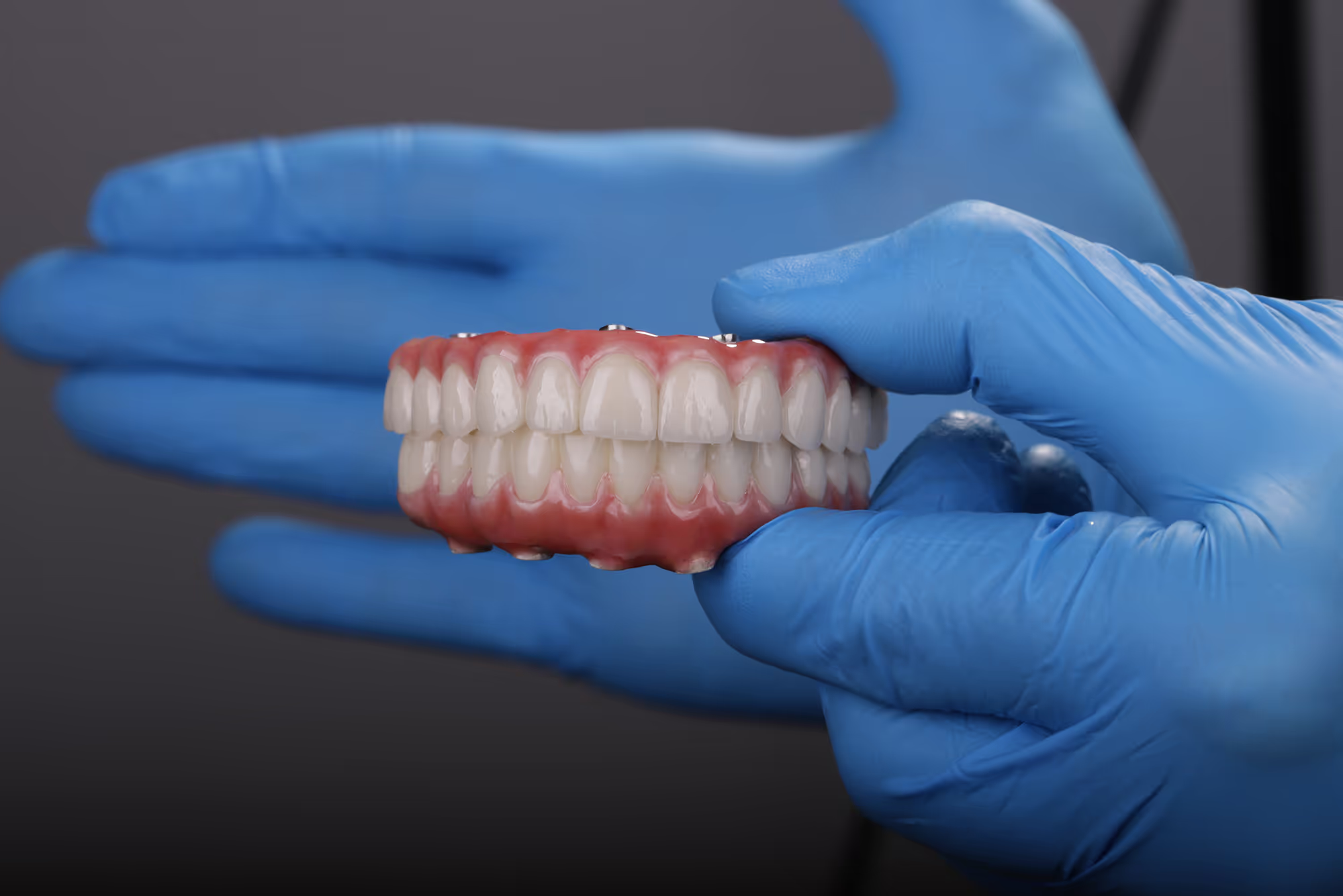
An overview of the All-on-4® dental implant solution for replacing a full upper or lower arch with a stable, natural-looking set of teeth using just four implants.
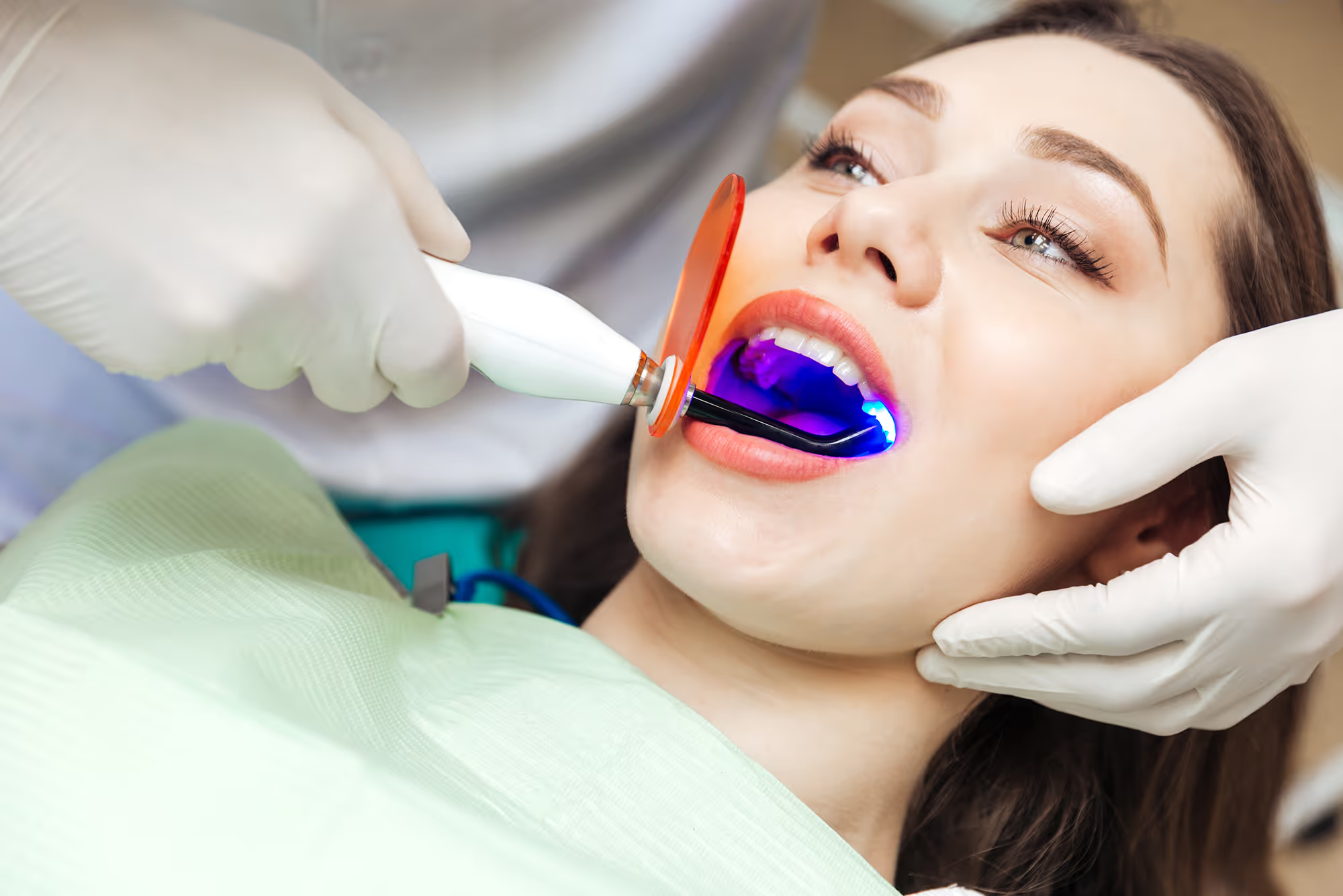
A brief look at three common laser dentistry treatments and how laser technology makes dental procedures more precise, comfortable, and minimally invasive.
A helpful guide outlining what to expect during recovery after full mouth reconstruction, including healing tips and post-treatment care for optimal results.