February 24, 2026
An overview of the All-on-4® dental implant solution for replacing a full upper or lower arch with a stable, natural-looking set of teeth using just four implants.
February 24, 2026
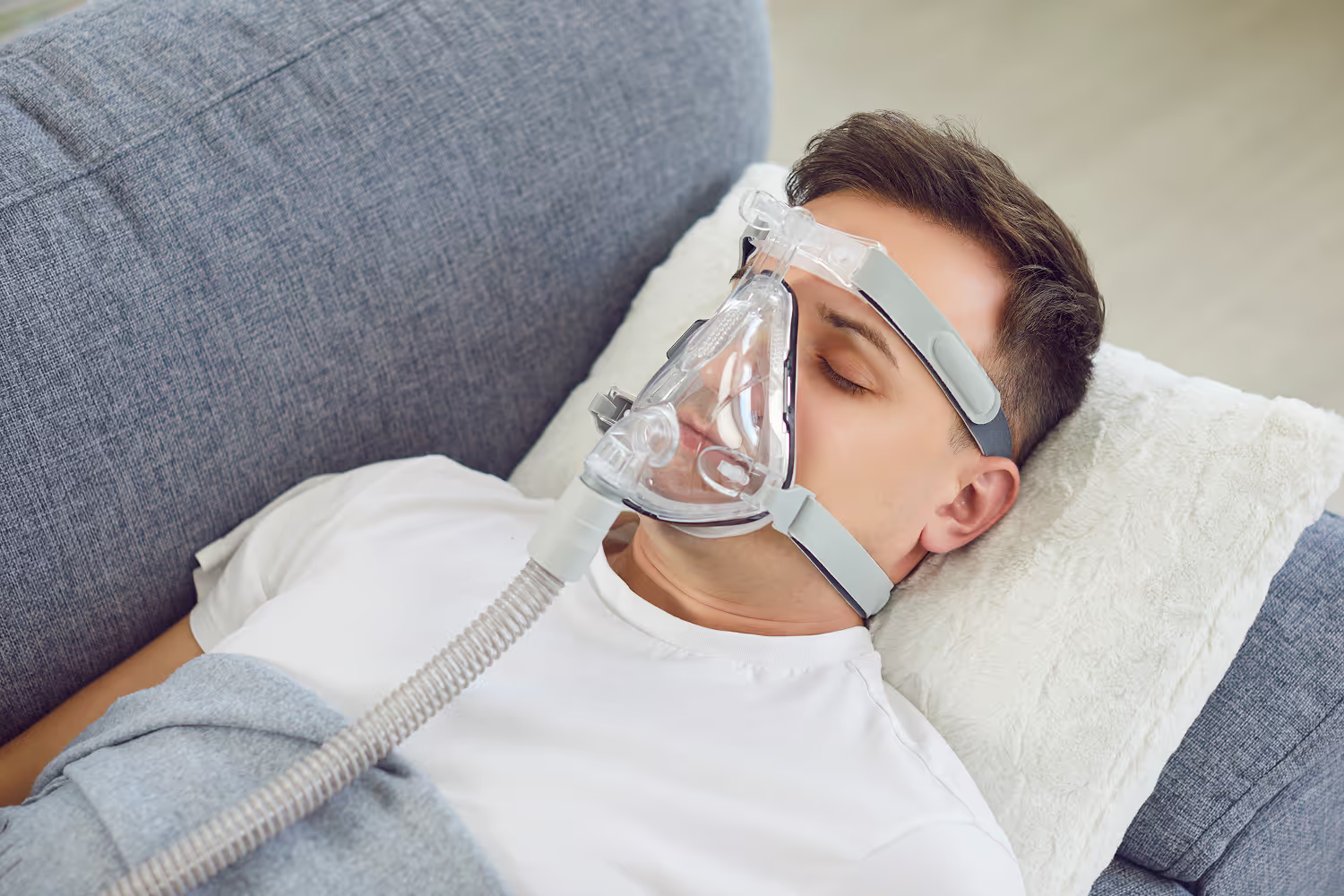
Sleep apnea is a serious condition that causes repeated interruptions in breathing during sleep. While many people are familiar with CPAP machines as a common treatment, dental oral appliances have become an increasingly popular alternative for patients with mild to moderate obstructive sleep apnea.
These devices are custom made by dental professionals and designed to keep the airway open during sleep, improving oxygen flow and reducing snoring.
Dental oral appliances treat sleep apnea by repositioning the jaw or tongue to prevent airway collapse. These custom devices offer a comfortable and portable alternative to CPAP therapy for many patients.
Obstructive sleep apnea occurs when the muscles in the throat relax excessively during sleep. This relaxation allows soft tissue to block the airway, interrupting breathing.
Oral appliances work mechanically to prevent this obstruction. By repositioning the lower jaw or stabilizing the tongue, they help maintain an open airway throughout the night.
Unlike CPAP machines, which use continuous air pressure, oral appliances focus on structural repositioning. Many patients prefer them because they are compact, quiet, and easy to travel with.
There are two primary categories of dental devices used to treat sleep apnea.
The most common type is the mandibular advancement device. This appliance fits over the upper and lower teeth and gently moves the lower jaw forward during sleep.
By advancing the jaw slightly, the device tightens the surrounding soft tissue and prevents the airway from collapsing.
Mandibular advancement devices are adjustable. Over time, small adjustments can be made to improve comfort and optimize airway support.
Another option is the tongue retaining device. Instead of repositioning the jaw, this appliance holds the tongue forward using gentle suction.
By preventing the tongue from falling backward, it reduces airway obstruction.
Although effective in certain cases, tongue retaining devices are less commonly used than mandibular advancement devices due to comfort preferences.
Oral appliances are typically recommended for patients with mild to moderate obstructive sleep apnea. They are also an option for individuals who cannot tolerate CPAP therapy.
You may be a candidate if you:
A formal sleep study is required before beginning treatment. Collaboration between your sleep physician and dentist ensures appropriate care.
Oral appliances should always be custom fabricated. Over the counter devices may not provide proper alignment and can lead to jaw discomfort.
The process begins with digital impressions or scans of your teeth. A custom appliance is then created to fit precisely and comfortably.
Once delivered, the dentist adjusts the device to achieve optimal jaw positioning. Follow up appointments are essential to monitor effectiveness and make refinements.
Many patients appreciate the convenience and comfort of oral appliance therapy.
Common advantages include:
Because these devices are compact, they are ideal for travel and do not require electricity or bulky equipment.
Most patients adjust to oral appliances within a few weeks. Temporary side effects may include jaw soreness, mild tooth discomfort, or bite changes in the morning.
These symptoms are usually mild and manageable. Regular follow up visits help ensure long term comfort and stability.
When properly fitted and consistently worn, oral appliances can significantly reduce apnea episodes and snoring.
However, severe cases of sleep apnea may still require CPAP therapy. Periodic sleep studies may be recommended to confirm effectiveness.
Consistency is critical. Wearing the appliance nightly ensures continuous airway support.
Oral appliance therapy requires ongoing supervision. Bite changes, wear, or device adjustments may be necessary over time.
Routine dental visits ensure that the appliance remains effective and that oral health is maintained.
Untreated sleep apnea can increase the risk of heart disease, high blood pressure, and daytime fatigue. Seeking proper treatment supports both oral and overall health.
Dental oral appliances offer a practical and effective alternative for many patients with obstructive sleep apnea. By repositioning the jaw or tongue, these devices help maintain an open airway and improve sleep quality.
If you are exploring alternatives to CPAP therapy, a consultation with a qualified dental professional can help determine whether oral appliance therapy is right for you.
Related blogs
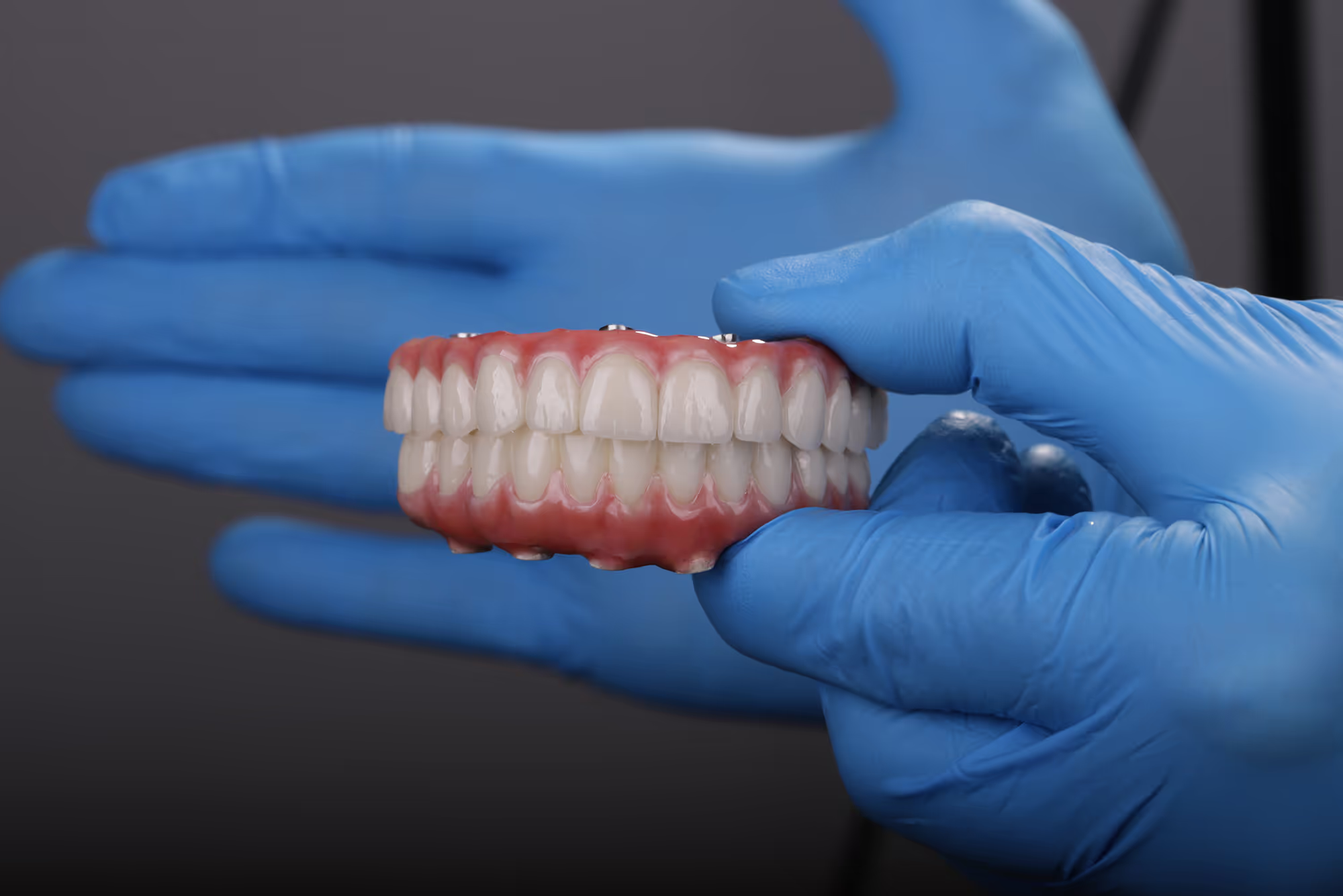
An overview of the All-on-4® dental implant solution for replacing a full upper or lower arch with a stable, natural-looking set of teeth using just four implants.
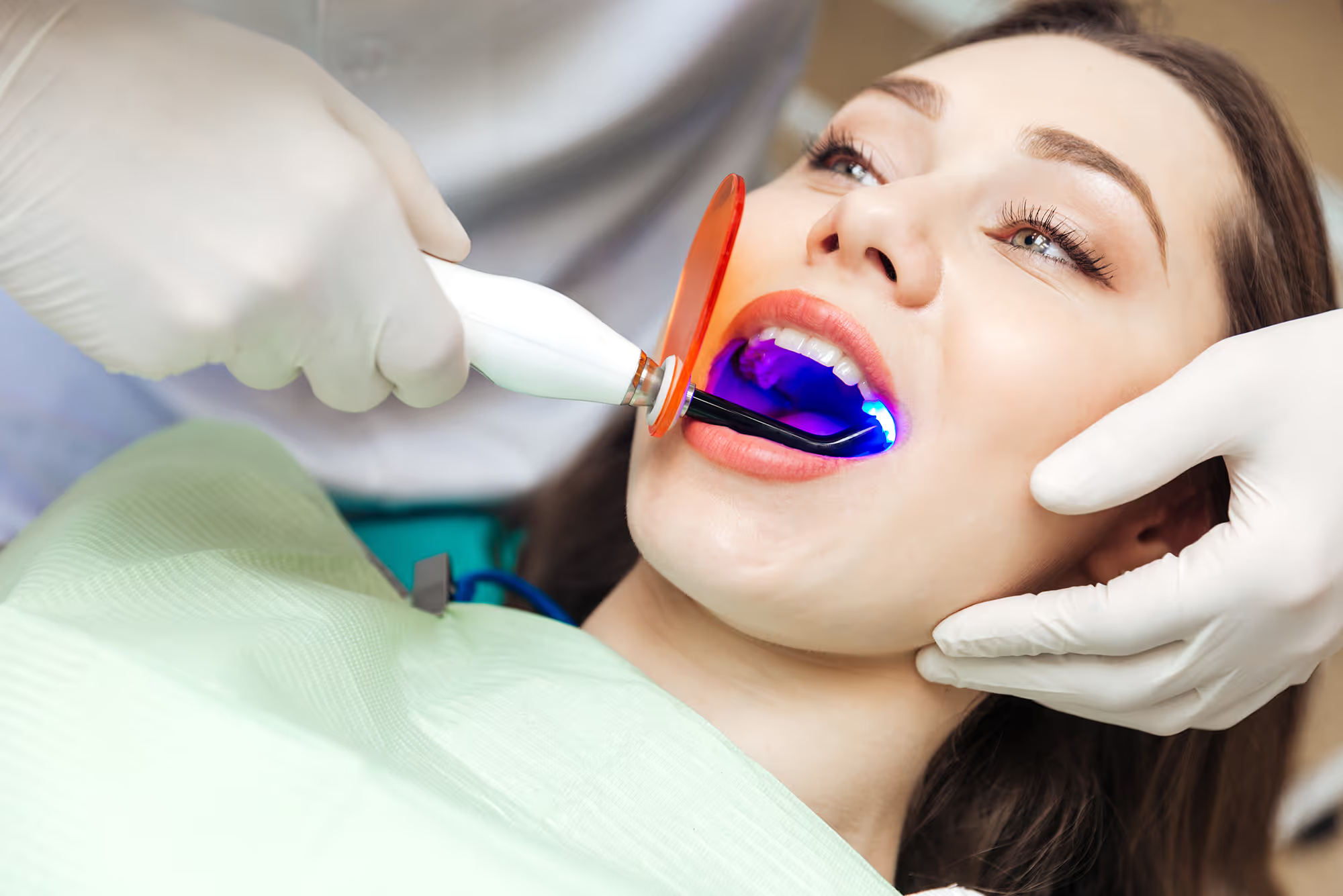
A brief look at three common laser dentistry treatments and how laser technology makes dental procedures more precise, comfortable, and minimally invasive.
A helpful guide outlining what to expect during recovery after full mouth reconstruction, including healing tips and post-treatment care for optimal results.