February 24, 2026
An overview of the All-on-4® dental implant solution for replacing a full upper or lower arch with a stable, natural-looking set of teeth using just four implants.
February 24, 2026
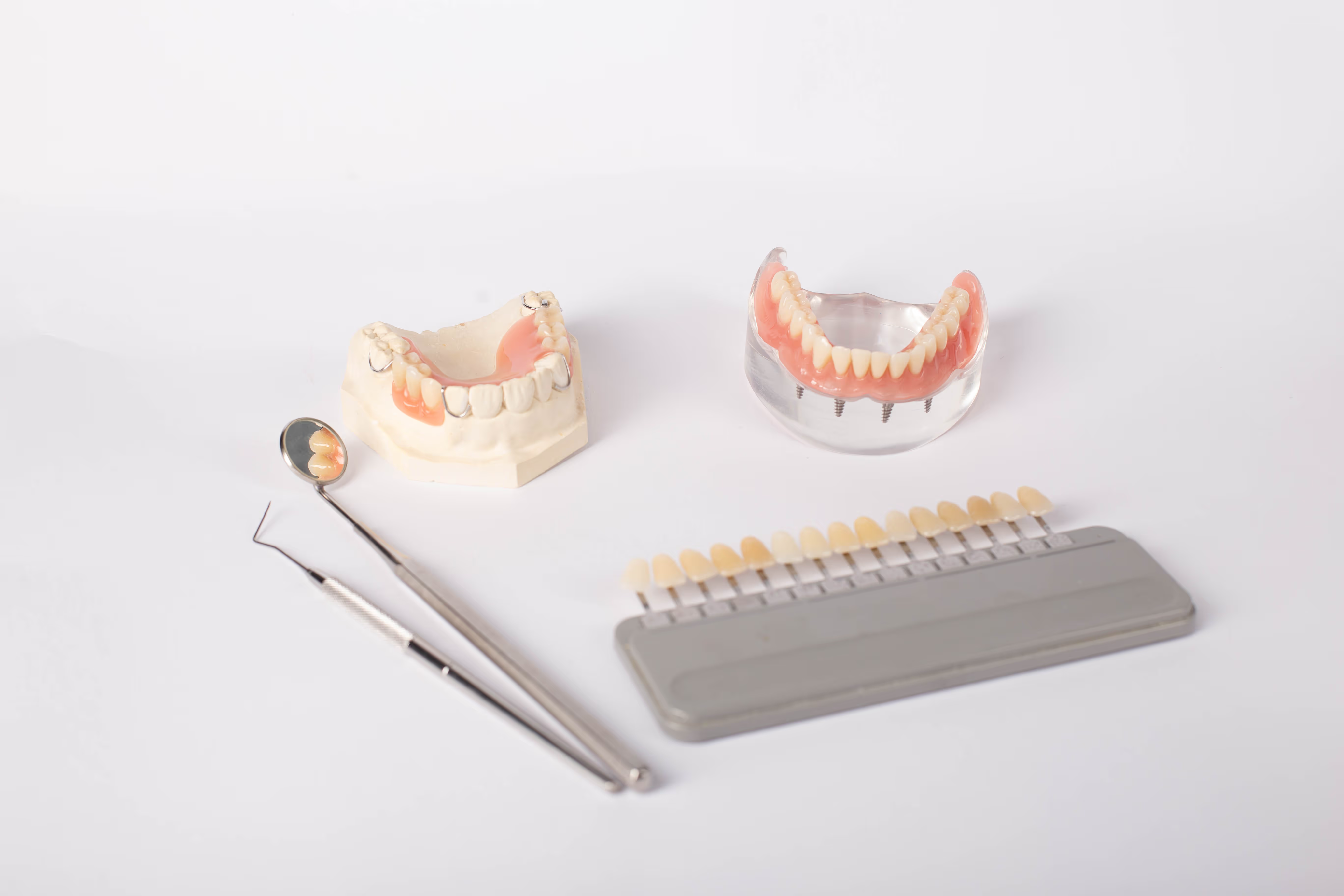
All-on-4 dental implants are designed to replace a full arch of teeth using four strategically placed implants. After the procedure, patients often wonder what recovery will look like and how long healing will take.Immediately after surgery, mild swelling, tenderness, and slight bruising are common. These symptoms typically peak within the first 48 to 72 hours and gradually improve. Pain is usually manageable with prescribed or recommended medication.During the first week, sticking to a soft food diet is essential. Foods such as yogurt, mashed potatoes, smoothies, scrambled eggs, and soups are recommended while avoiding hard or crunchy foods.The healing process occurs in phases. Initial tissue healing happens within one to two weeks. However, the implants require several months to fuse with the jawbone in a process called osseointegration. This fusion creates the stable foundation needed for long-term success.Patients are typically given temporary teeth on the same day or shortly after surgery. TheAfter the All-on-4 procedure, patients can expect temporary swelling, mild discomfort, and a gradual healing process as the implants integrate with the jawbone. Proper aftercare and diet adjustments play a key role in ensuring long term success.
The initial recovery phase begins immediately after surgery. Mild swelling, tenderness, and minor bruising are common and typically peak within the first two to three days.
Your dentist may prescribe medication or recommend over the counter pain relief to manage discomfort. Cold compresses applied during the first 24 hours can help minimize swelling.
During this early period, it is important to:
Some patients also notice slight speech adjustments while adapting to their temporary teeth. This is normal and improves quickly.
In most cases, patients receive a temporary set of teeth on the same day or shortly after implant placement. These teeth allow you to leave the office with a complete smile.
Temporary restorations are designed for aesthetics and light function but are not as strong as the final prosthesis. While they look natural, they require care during healing.
Avoid placing excessive pressure on the temporary teeth. Following dietary guidelines protects both the implants and the temporary arch.
Diet plays a critical role in successful healing. Because implants must integrate securely with the jawbone, limiting pressure during early recovery is essential.
During the first several weeks, focus on:
Gradually, as healing progresses and your dentist approves, you can reintroduce firmer foods.
Chewing evenly on both sides of the mouth also helps distribute pressure more evenly.
After placement, implants undergo a biological process called osseointegration. During this stage, the implant fuses with the surrounding bone, creating a stable foundation for the final prosthesis.
This process typically takes three to six months. While you may feel normal during this time, the internal healing continues beneath the surface.
Follow up appointments allow your dentist to monitor progress and ensure proper integration before placing the permanent arch.
Keeping your mouth clean is essential to prevent infection and protect implant stability.
During early healing:
Special cleaning tools may be recommended to clean around the prosthesis. Once fully healed, daily brushing and flossing remain essential for long term success.
It is normal for your bite to feel slightly different at first. Your jaw muscles may need time to adjust to improved alignment.
Mild tightness or pressure may be noticeable during the first few weeks. However, severe or worsening pain is not normal and should be reported.
Speech may also feel slightly different initially, especially with certain sounds. Most patients adapt quickly as they become comfortable with their new teeth.
While mild discomfort is expected, certain symptoms require professional evaluation.
Contact your dentist if you experience:
Early attention helps prevent complications and ensures long term implant success.
Once healing is complete and the permanent prosthesis is placed, patients often report dramatic improvements in chewing ability and confidence.
All-on-4 implants help preserve jawbone structure and provide stability that traditional dentures cannot match. With proper maintenance and regular checkups, results can last many years.
Maintaining good oral hygiene, avoiding smoking, and attending follow up visits are essential to protect your investment.
Recovery after the All-on-4 procedure requires patience and careful aftercare, but the long term benefits are significant. By following instructions, maintaining a soft diet initially, and attending follow up appointments, you can ensure a smooth healing process.
If you have questions about your recovery or upcoming treatment, speaking with your dental provider will give you personalized guidance and reassurance.
se allow normal speaking and smiling while the implants integrate. Once healing is complete, the final prosthesis is placed.Most patients return to work within a few days, depending on comfort level. Proper oral hygiene, follow-up visits, and avoiding smoking are critical to ensure successful healing.Long-term, All-on-4 restores chewing function, facial support, and confidence. With consistent maintenance and professional checkups, results can last many years or even decades.
Related blogs
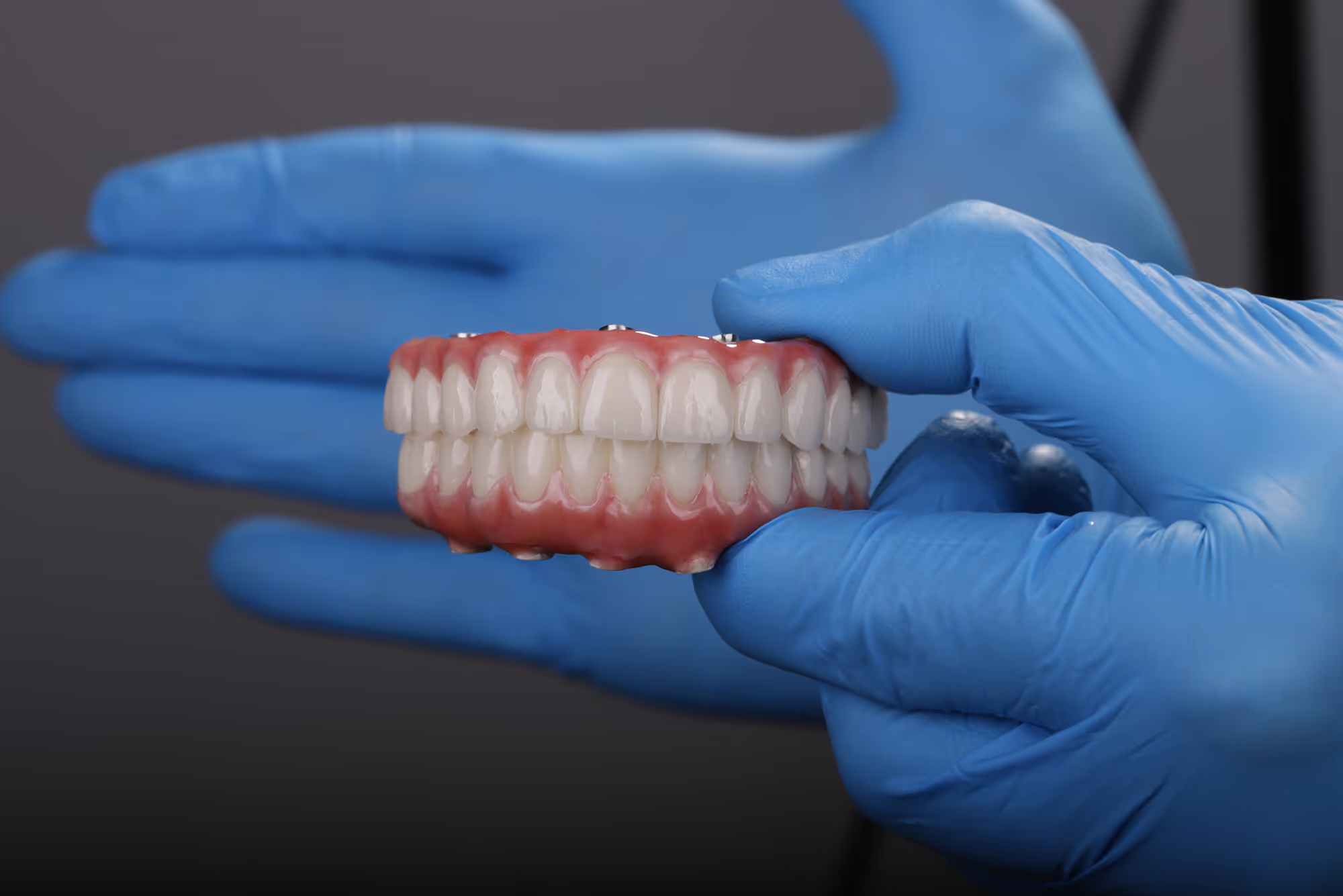
An overview of the All-on-4® dental implant solution for replacing a full upper or lower arch with a stable, natural-looking set of teeth using just four implants.
A brief look at three common laser dentistry treatments and how laser technology makes dental procedures more precise, comfortable, and minimally invasive.
A helpful guide outlining what to expect during recovery after full mouth reconstruction, including healing tips and post-treatment care for optimal results.