February 24, 2026
An overview of the All-on-4® dental implant solution for replacing a full upper or lower arch with a stable, natural-looking set of teeth using just four implants.
February 24, 2026

Many dental problems develop gradually and without noticeable symptoms. Cavities, gum disease, enamel wear, and bite issues can progress silently before causing pain. Regular general dentistry visits are designed to detect and treat these issues early, preventing more complex and costly procedures in the future.
Routine appointments are not just about cleaning teeth. They play a critical role in protecting long term oral and overall health.
Regular general dentistry visits help detect cavities, gum disease, and other oral health concerns early, reducing the risk of serious complications and preserving your natural teeth.
A typical visit includes a professional cleaning, a comprehensive exam, and sometimes digital X rays. Each component serves a specific purpose.
Professional cleanings remove plaque and tartar that cannot be eliminated with brushing alone. Even patients with excellent home care can accumulate buildup in hard to reach areas.
The dental exam allows your dentist to evaluate teeth, gums, bite alignment, and oral tissues. Early signs of decay or gum inflammation can be identified before symptoms appear.
X rays provide a deeper look at areas beneath the surface, including between teeth and under existing restorations.
One of the biggest benefits of regular visits is early diagnosis. Small cavities can be treated with simple fillings. Gum inflammation can be reversed before it progresses to advanced periodontal disease.
By identifying concerns early, patients often avoid:
Preventive care reduces both discomfort and long term expenses.
General dentistry visits also monitor gum health. Gum disease has been linked to broader health concerns such as cardiovascular disease and diabetes.
Early gum disease may cause minimal symptoms, such as mild bleeding while brushing. Without treatment, it can progress to bone loss and tooth mobility.
Routine cleanings and exams support not only oral health but overall wellness.
Tooth loss rarely happens suddenly. It is often the result of untreated decay, gum disease, or chronic wear.
Regular visits allow dentists to monitor existing fillings, crowns, and other restorations. Addressing minor issues early prevents larger failures later.
Consistent care helps preserve natural teeth for as long as possible.
Teeth grinding and clenching can gradually wear down enamel. Many patients are unaware they grind their teeth until significant damage occurs.
General dentistry visits help identify signs of wear, fractures, or jaw tension.
If necessary, your dentist may recommend protective measures such as a nightguard to prevent further damage.
Daily brushing and flossing are essential, but professional cleanings go further.
Hygienists use specialized instruments to remove hardened tartar that cannot be removed at home. Polishing helps smooth the enamel surface and reduce plaque buildup.
Regular cleanings also provide an opportunity to reinforce proper brushing and flossing techniques.
Most patients benefit from visiting the dentist every six months. However, individuals with a history of gum disease or high cavity risk may require more frequent appointments.
Your dentist will recommend a schedule tailored to your oral health needs.
Consistency is key. Skipping visits increases the likelihood that small issues will become larger problems.
Preventive visits are typically more affordable than restorative treatments. A routine cleaning and exam cost significantly less than procedures such as crowns, implants, or root canals.
Investing in preventive care helps reduce unexpected expenses and supports long term stability.
Regular visits also build familiarity and comfort with your dental provider. Patients who maintain consistent appointments often feel less anxious during treatment.
Establishing a strong relationship with your dentist encourages open communication and proactive care.
Regular general dentistry visits are one of the most effective ways to protect your smile. Early detection, professional cleaning, and ongoing monitoring help prevent serious complications and preserve natural teeth.
By maintaining consistent appointments and good home care habits, you can support both your oral health and overall well being for years to come.
Related blogs
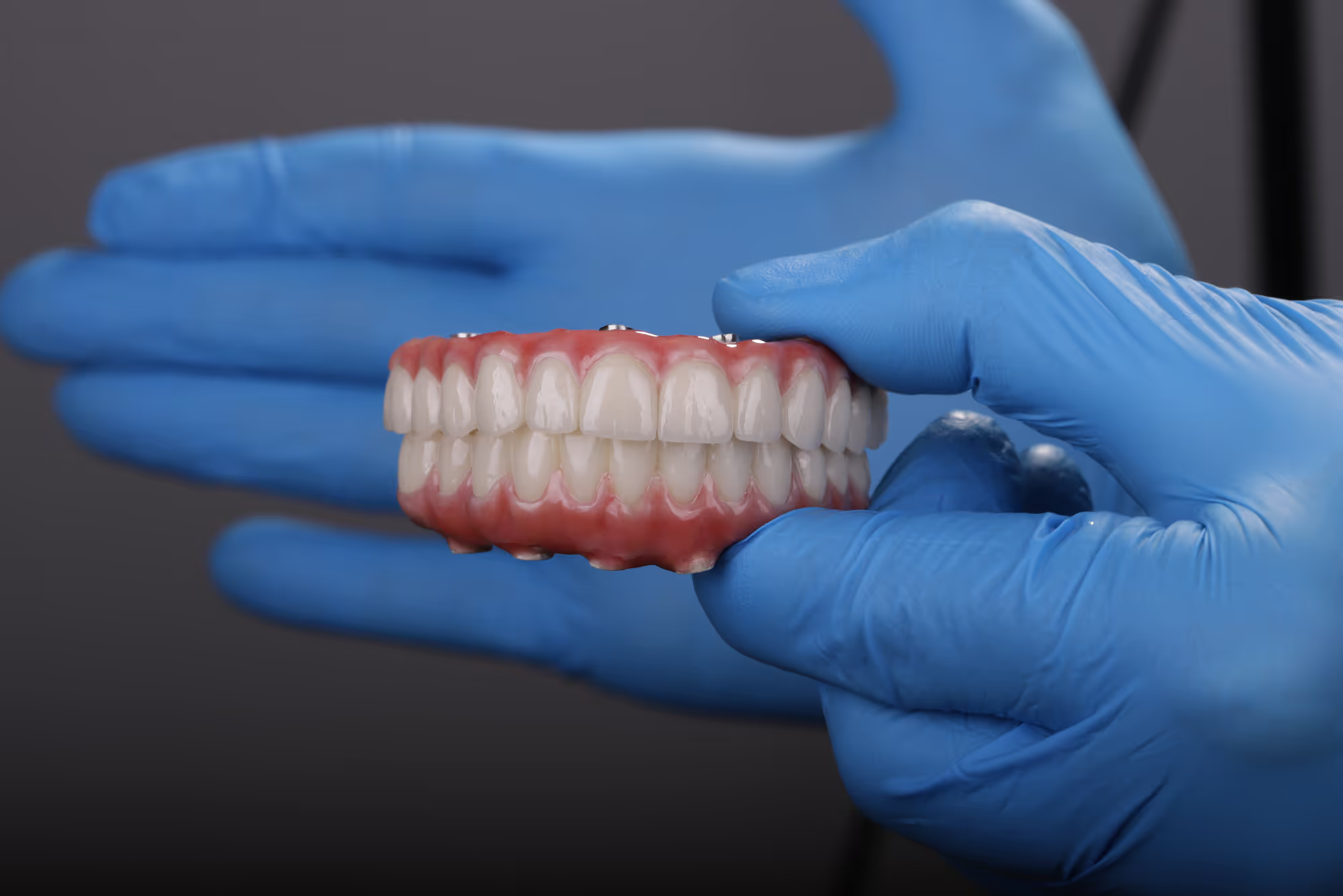
An overview of the All-on-4® dental implant solution for replacing a full upper or lower arch with a stable, natural-looking set of teeth using just four implants.
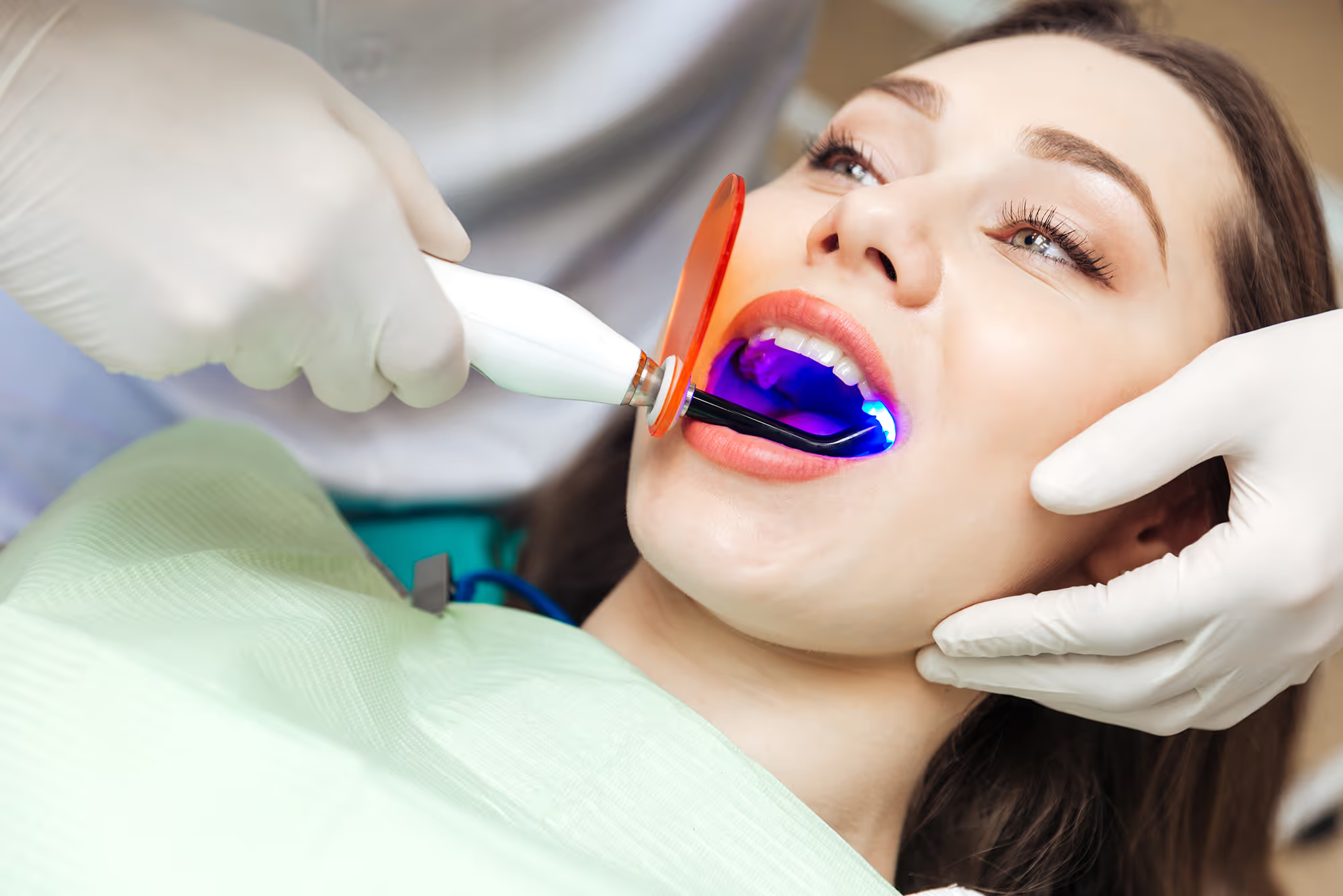
A brief look at three common laser dentistry treatments and how laser technology makes dental procedures more precise, comfortable, and minimally invasive.

A helpful guide outlining what to expect during recovery after full mouth reconstruction, including healing tips and post-treatment care for optimal results.