February 3, 2026
An overview of the All-on-4® dental implant solution for replacing a full upper or lower arch with a stable, natural-looking set of teeth using just four implants.
February 3, 2026
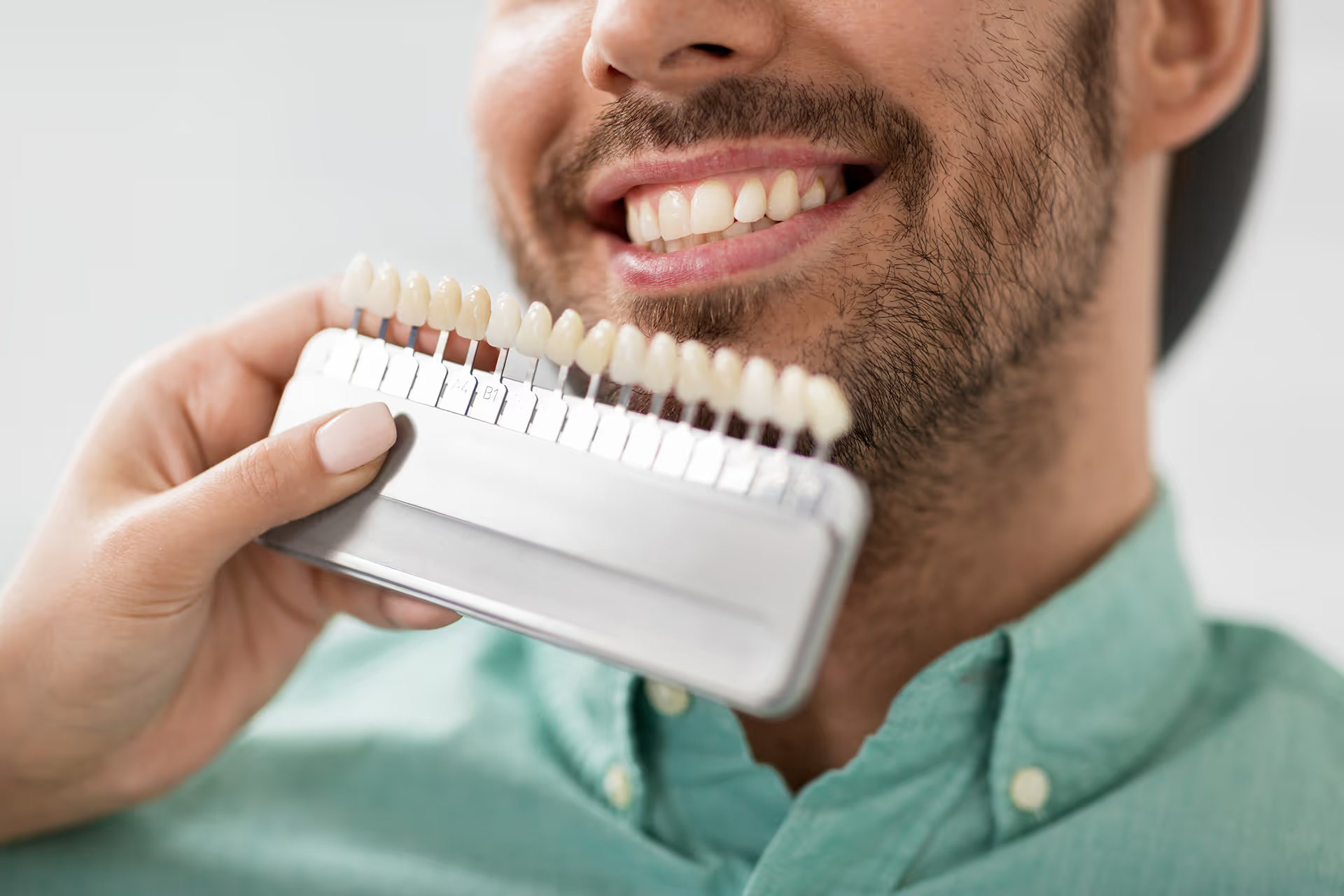
Dental veneers are one of the most popular cosmetic dentistry options for patients who want a brighter, more balanced, and more confident smile. If you have chipped enamel, stubborn stains that don’t respond to whitening, small gaps, or teeth that look slightly uneven, veneers can create a natural-looking transformation while still preserving as much of your healthy tooth structure as possible.
At Dr. Amy’s Dental Office in Thousand Oaks, we believe that the best veneer results come from a careful plan, conservative tooth preparation, and a custom design that matches your facial features and bite. In this guide, you’ll learn exactly how teeth are prepared for dental veneers, what to expect at each appointment, and how to care for your veneers so they look great for years.
Dental veneers are thin shells—most commonly porcelain or high-quality composite resin—bonded to the front surface of a tooth. A veneer can improve color, shape, size, and overall symmetry while protecting the outer surface from further cosmetic wear. Porcelain veneers are known for their lifelike translucency and stain resistance, while composite veneers can sometimes be completed more quickly and at a lower cost depending on your needs.
Veneers can be an excellent solution when the main goal is improving the appearance of the front teeth. You may be a good candidate if you have:
However, veneers are not a one-size-fits-all treatment. If you have active tooth decay, untreated gum disease, or severe bite issues, we may recommend addressing those concerns first. For patients with significant enamel loss or heavy grinding, we may discuss bite protection, orthodontics, or restorative options before committing to veneers.
Your veneer journey starts with a consultation. We’ll talk about what you want to change—color, shape, spacing, or alignment—and examine your teeth and gums. This visit often includes digital x-rays and photos, plus a discussion about your medical and dental history.
During smile planning, we consider:
In many cases, we can show you a preview through digital smile design, a wax-up, or a mock-up that helps you visualize the final result before your teeth are permanently altered.
Choosing the right shade is about more than “as white as possible.” The goal is a shade that complements your skin tone and looks natural in different lighting. If you plan to whiten your natural teeth, we typically recommend whitening first so your veneers can be matched to your brighter shade.
We’ll also talk about small design choices that make veneers look real—like subtle texture, edge translucency, and how much tooth “show” you want when you smile.
To make room for the veneer, a thin layer of enamel is usually removed from the front surface of the tooth. This is often a fraction of a millimeter—enough to prevent the veneer from looking bulky and to create the ideal surface for bonding.
Before reshaping begins, we typically numb the area so you’re comfortable. Some patients with very minimal preparation may not require much anesthesia, but comfort is always a priority. The dentist then gently shapes the enamel with precision instruments, keeping the preparation conservative and smooth.
Why reshaping matters:
After reshaping, the enamel is prepared so the veneer can bond securely. This step involves creating a clean, slightly roughened surface so the bonding materials can lock into the enamel. A well-bonded veneer helps protect the tooth and prevents staining along the margins.
In plain terms: preparation isn’t just about making space—it’s about creating a strong, long-lasting foundation for the veneer.
Next, we capture the exact shape of your prepared teeth. Depending on the workflow, we may use traditional impressions or advanced digital scanning. These records allow a dental laboratory (or an in-office milling system, when appropriate) to craft veneers that fit precisely and look natural.
High-quality impressions and accurate bite records are essential for:
Some veneer cases require temporary veneers while your permanent veneers are being created. Temporaries protect the prepared teeth, reduce sensitivity, and give you a preview of the shape. They also allow us to evaluate comfort, speech, and cosmetic preferences.
Temporaries are not as strong as porcelain, so you’ll want to avoid sticky or very hard foods and follow any specific care instructions we provide.
When your final veneers are ready, we schedule a placement appointment. First, we remove any temporaries and clean the teeth. Then we “try in” each veneer to check:
If any small refinements are needed, we address them before final bonding so the result looks and feels right.
Bonding is the most critical step. We isolate and thoroughly dry the teeth, then apply the bonding system and veneer cement. Each veneer is placed with precision, excess cement is removed, and a curing light is used to harden the materials. Once bonded, we polish the edges and confirm your bite.
A strong bond and a clean margin help reduce the risk of staining, sensitivity, and future decay around the veneer.
Most veneer cases take two visits: one for preparation and records, and a second for final placement. If temporaries are used, the time between visits is often one to two weeks. Some patients may need additional appointments for whitening, gum shaping, or bite therapy depending on the goals and current oral health.
With appropriate numbing, preparation is typically very comfortable. After the visit, some patients notice mild sensitivity to cold, especially if temporaries are not placed. Sensitivity usually improves quickly and can be managed with desensitizing toothpaste and gentle brushing.
Veneers are strong, but they still require smart habits. To protect your investment:
With good care, veneers can last many years and maintain a bright, natural appearance.
Cosmetic dentistry is both science and artistry. Our approach is conservative, patient-centered, and detail-driven. We focus on natural proportions, precise fit, and comfortable function—so your veneers don’t just look beautiful, they also feel like “you.”
If you’re considering veneers in Thousand Oaks, our team is happy to help you understand your options. We’ll evaluate your smile, answer your questions, and design a treatment plan that supports long-term oral health and a confident result.
Related blogs
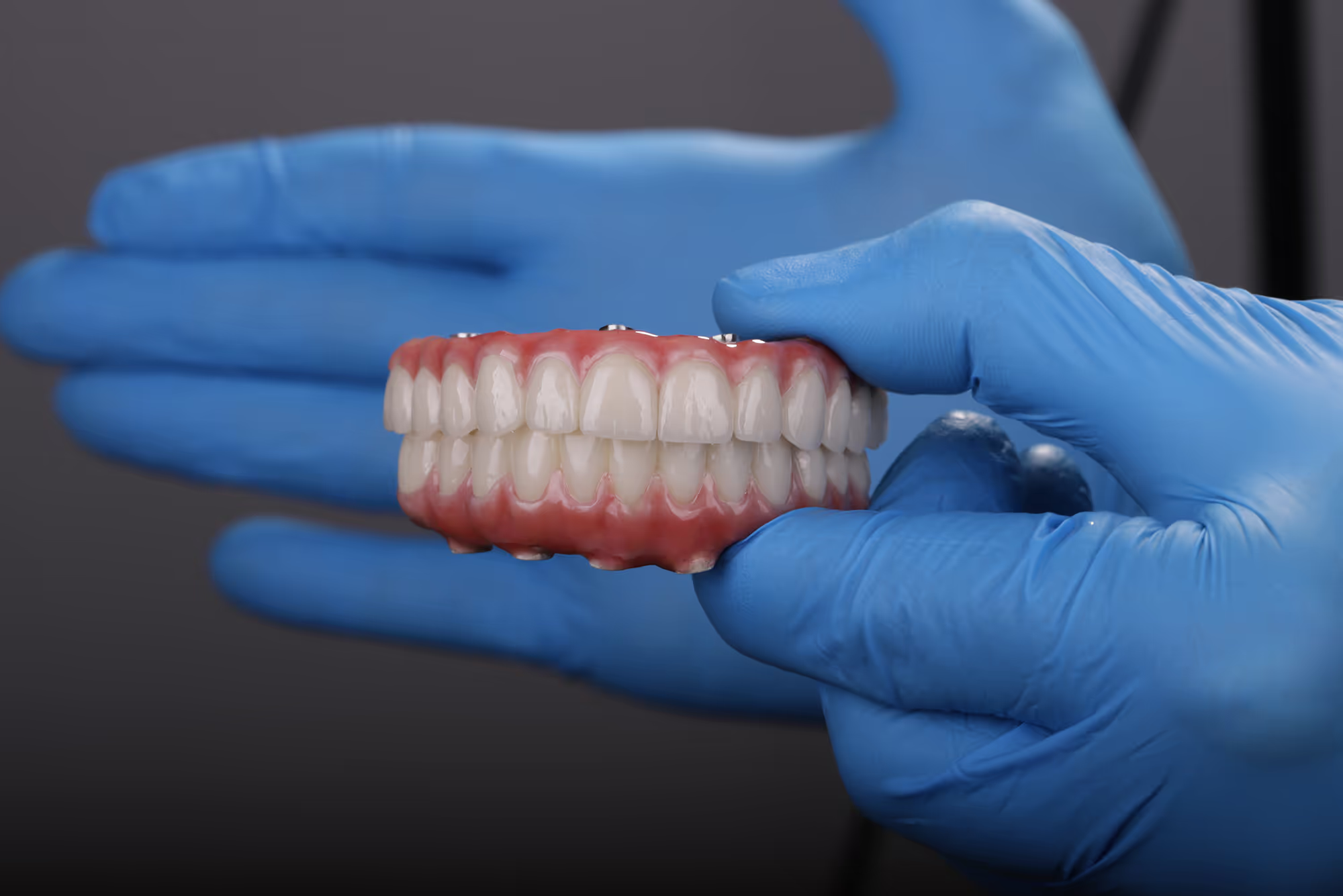
An overview of the All-on-4® dental implant solution for replacing a full upper or lower arch with a stable, natural-looking set of teeth using just four implants.
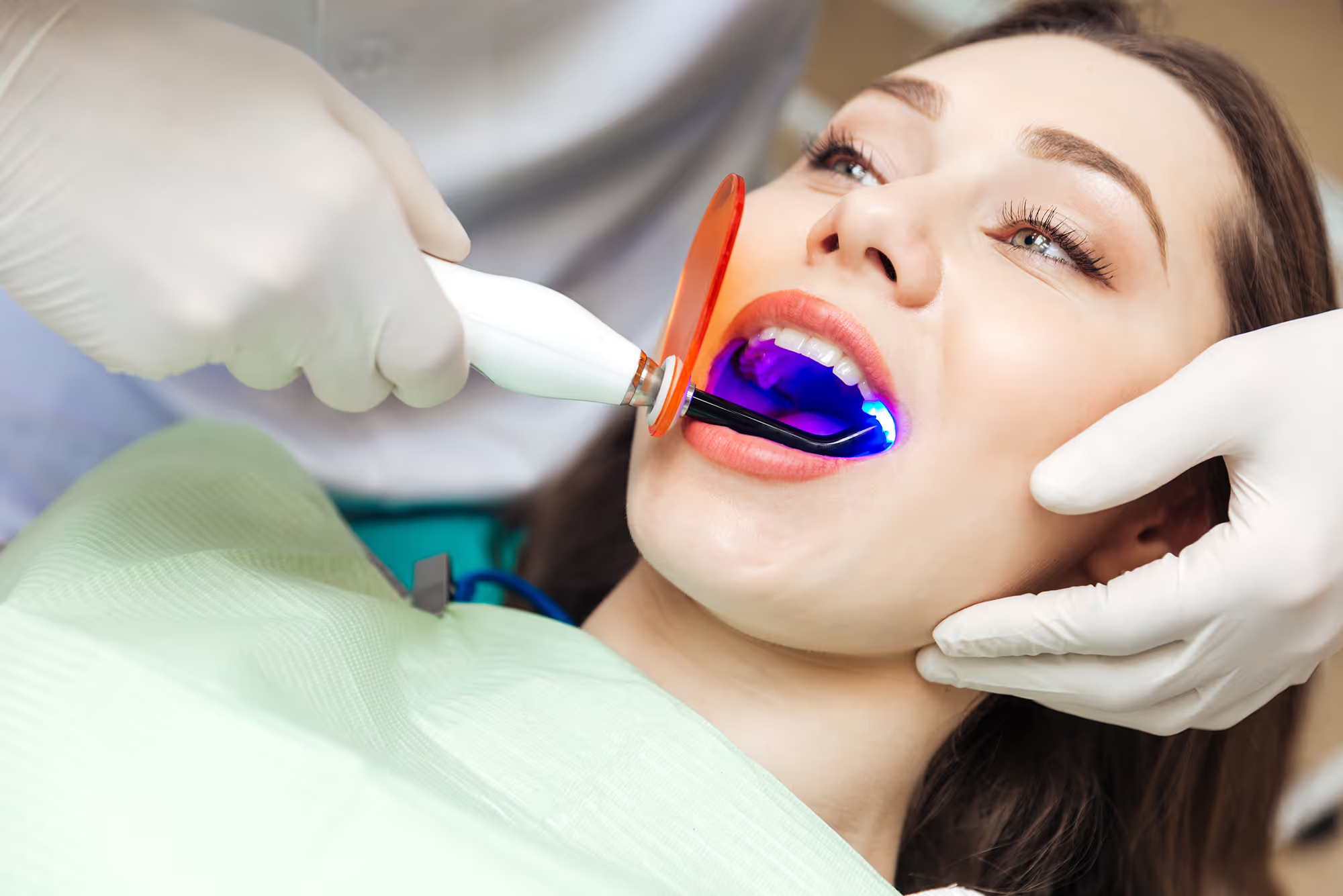
A brief look at three common laser dentistry treatments and how laser technology makes dental procedures more precise, comfortable, and minimally invasive.
A helpful guide outlining what to expect during recovery after full mouth reconstruction, including healing tips and post-treatment care for optimal results.