February 24, 2026
An overview of the All-on-4® dental implant solution for replacing a full upper or lower arch with a stable, natural-looking set of teeth using just four implants.
February 24, 2026
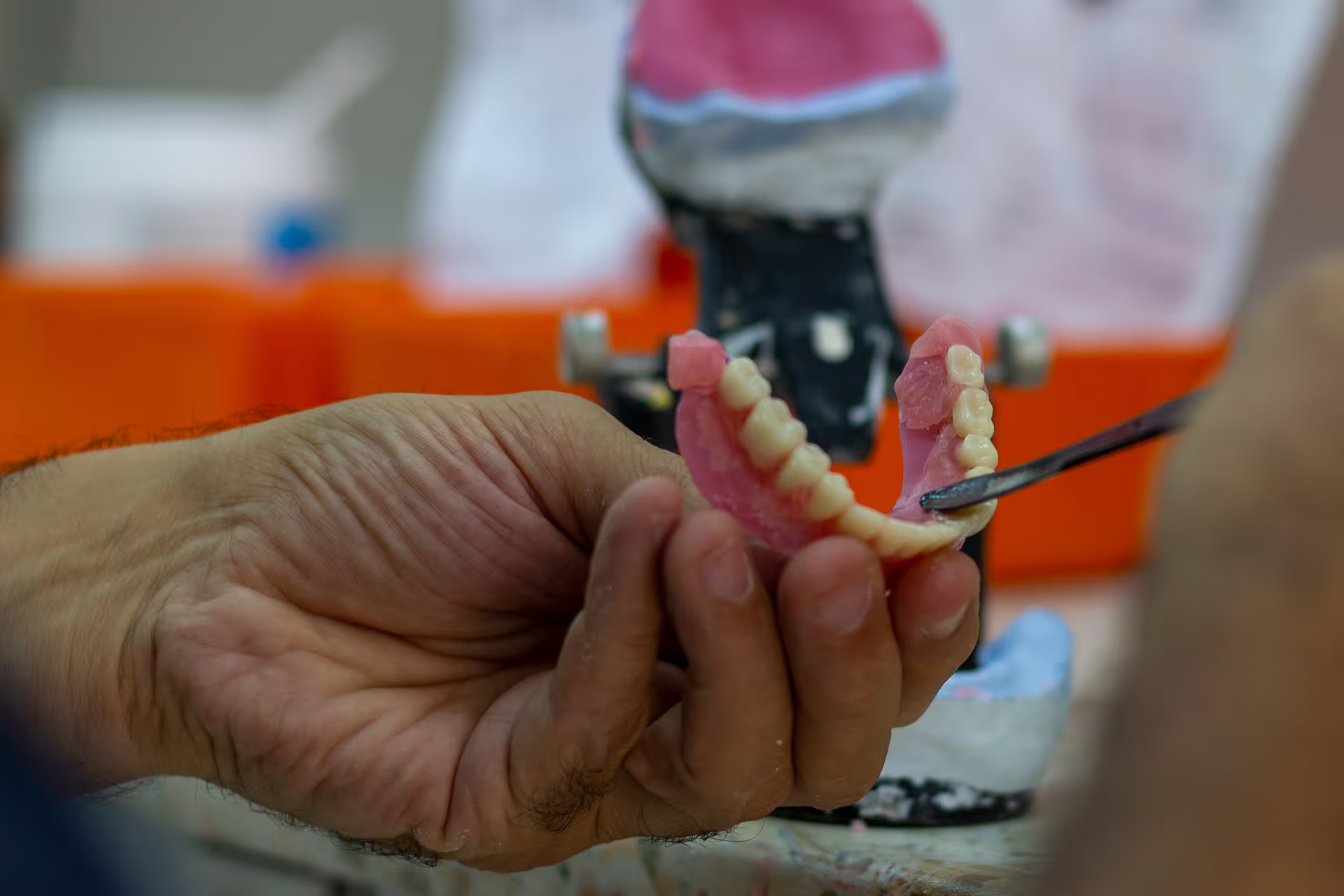
Full mouth reconstruction is often misunderstood. Some patients assume it is purely cosmetic, while others believe it is only for extreme dental cases. In reality, this comprehensive treatment is designed to restore both function and health when multiple teeth are damaged, worn, or missing.
Separating facts from myths can help you better understand whether full mouth reconstruction may be appropriate for your needs.
Full mouth reconstruction is not just about aesthetics. It combines restorative procedures to rebuild damaged teeth, correct bite problems, and restore long term oral health.
One of the most common misconceptions is that full mouth reconstruction is the same as a smile makeover. While cosmetic improvements are often part of the process, reconstruction focuses primarily on function.
The goal is to restore bite alignment, rebuild weakened teeth, and eliminate discomfort. Cosmetic enhancements are usually added after structural stability is achieved.
Patients who suffer from chronic jaw pain, worn teeth, or difficulty chewing often require reconstruction for health reasons, not just appearance.
Full mouth reconstruction typically involves procedures such as crowns, bridges, dental implants, and sometimes periodontal treatment. Each procedure plays a role in strengthening teeth and improving bite balance.
By rebuilding worn or damaged teeth, reconstruction helps:
Patients often notice both functional improvement and aesthetic enhancement once treatment is complete.
Age alone does not determine candidacy. While many older adults seek reconstruction due to long term wear or tooth loss, younger patients may also need it.
Severe grinding, trauma, untreated decay, or genetic enamel conditions can affect patients at any age.
The determining factor is the extent of damage and whether a comprehensive plan is needed to restore stability.
No two full mouth reconstruction cases are the same. A detailed evaluation, including digital imaging and bite analysis, guides the treatment plan.
Some patients may need several crowns and minor adjustments. Others may require implant placement and staged restorative work.
The process is carefully sequenced to address urgent issues first, then restore structure, and finally refine aesthetics.
While implants and periodontal procedures may be involved in some cases, not every reconstruction requires surgery.
If natural teeth can be preserved and restored with crowns or bridges, surgical intervention may be minimal or unnecessary.
Treatment depends on the individual’s oral condition, bone support, and long term prognosis.
Recovery after full mouth reconstruction depends on the treatments performed.
Crowns and bridges often involve minimal downtime. Implant placement requires a healing period of several months for osseointegration.
During early recovery, patients may experience mild soreness or sensitivity. Following aftercare instructions ensures proper healing and long term success.
Modern dentistry prioritizes patient comfort. Local anesthesia and sedation options make procedures manageable.
While mild discomfort during healing is normal, severe pain is uncommon when treatment is properly planned.
Dentists monitor healing closely and make adjustments as needed to maintain comfort.
Reconstruction addresses underlying structural issues rather than repeatedly repairing individual teeth.
By correcting bite imbalances and reinforcing weakened teeth, it reduces the likelihood of future fractures or ongoing infections.
Long term maintenance includes:
Protecting restorations ensures longevity and stability.
Although replacing missing teeth may be part of reconstruction, the treatment also focuses on preserving remaining natural teeth.
Rebuilding worn surfaces, correcting alignment, and stabilizing the bite are equally important goals.
Comprehensive care prevents further deterioration and supports overall oral health.
Full mouth reconstruction is a highly individualized treatment designed to restore function, health, and appearance. Understanding the facts helps patients make informed decisions rather than relying on misconceptions.
If you are experiencing widespread dental damage, a professional evaluation can determine whether full mouth reconstruction is the right path toward long term stability and comfort.
Related blogs
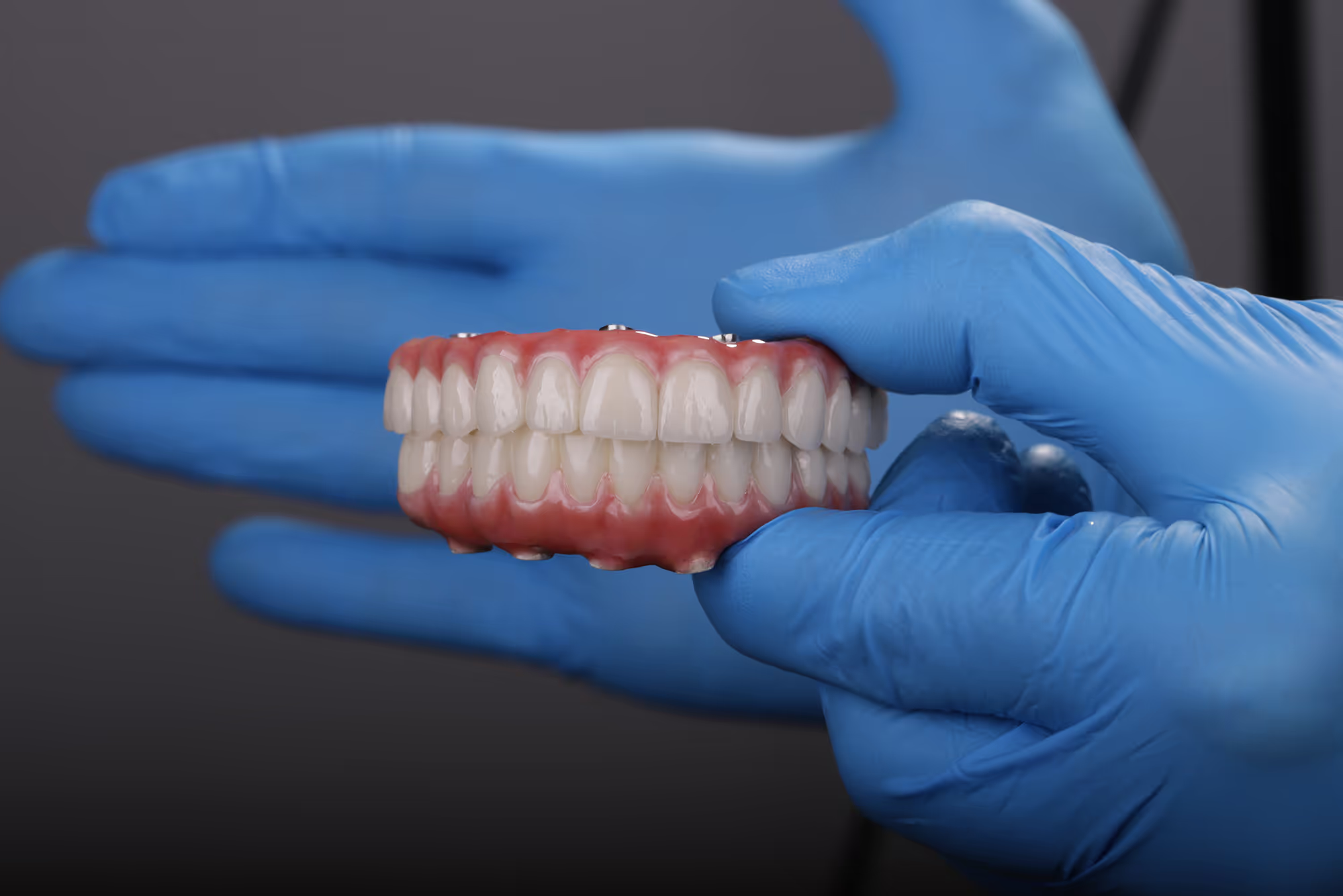
An overview of the All-on-4® dental implant solution for replacing a full upper or lower arch with a stable, natural-looking set of teeth using just four implants.
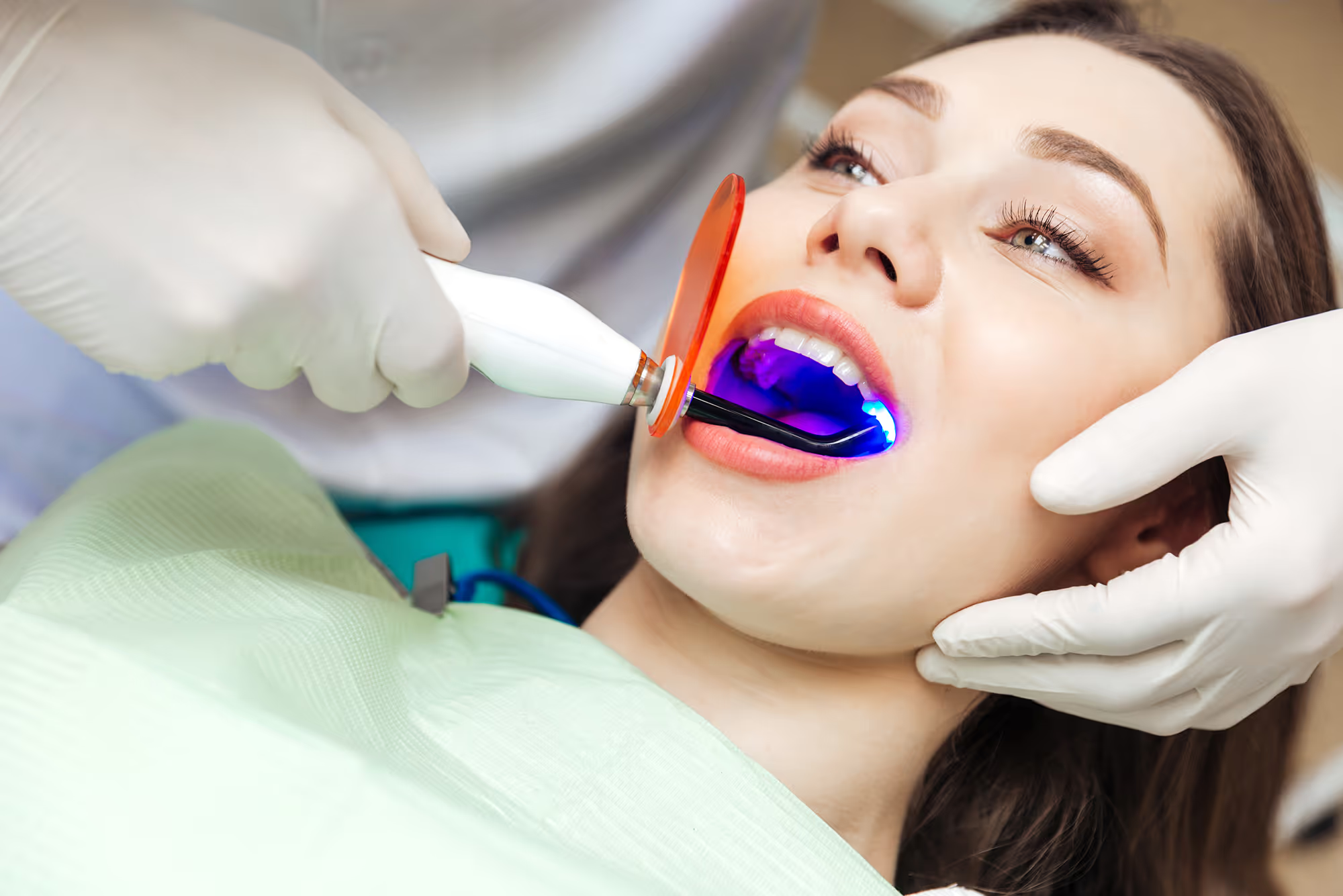
A brief look at three common laser dentistry treatments and how laser technology makes dental procedures more precise, comfortable, and minimally invasive.

A helpful guide outlining what to expect during recovery after full mouth reconstruction, including healing tips and post-treatment care for optimal results.